| 금시세(금값) 숨고르기 박상진 기자 jhc@kjdaily.com |
| 2026년 09월 23일(수) 10:25 |
|
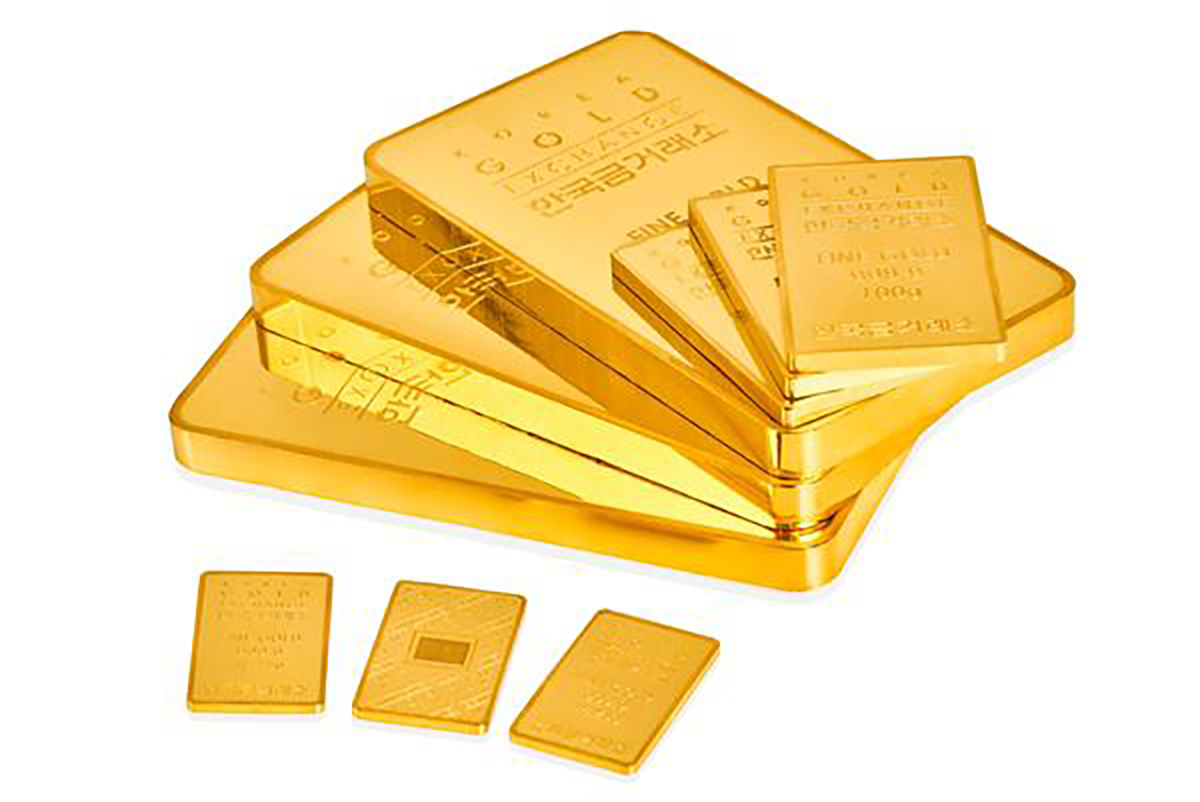
-오늘의 금시세…한국금거래소 순금 살 때 0.24%↓·KRX 0.29%↑
-순금 1돈 살 때 83만4000원…전날 최종 고시보다 2000원↓
-순금 팔 때 70만2000원…전날 최종 고시와 동일
-KRX 금가격 18만9660원…전날 종가보다 540원↑
-KRX 금시장 전날 2.20% 급락…23일 오전 소폭 반등
-국제 금 현물 4325.03달러…연준 추가 긴축 우려에 약세
-美 금 선물 4362달러…달러 강세·고금리 부담 지속
-중앙은행 금 매입 확대…실질금리와 금가격 관계 변화
-中 1~8월 금 수입 1100톤 돌파…ETF·중앙은행 수요 지속
국내 금값이 23일 엇갈린 흐름을 보이고 있다. 한국금거래소에서 순금 한 돈을 살 때 가격은 전날보다 2000원 내렸지만 한국거래소(KRX) 금시장에서는 전날 2% 넘게 급락했던 금가격이 반등했다. 국제 금시세는 미국 연방준비제도(Fed·연준)의 추가 금리 인상 가능성과 달러 강세에 눌렸다.
금 시장을 둘러싼 재료도 서로 맞서고 있다. 높은 금리와 달러 강세는 이자를 지급하지 않는 금에 부담이다. 중동 지역의 원유 공급 개선 기대도 안전자산 수요를 일부 약화시키는 요인이다. 반면 중앙은행의 지속적인 금 매입과 금 상장지수펀드(ETF) 투자 수요, 중국의 금 수입 확대는 금값의 하단을 받치고 있다.
◇순금 한 돈 83만4000원…KRX는 반등
23일 한국금거래소에 따르면 이날 오전 기준 순금 3.75g(한 돈)은 소비자가 살 때 83만4000원으로 전날 최종 고시가격인 83만6000원보다 2000원(0.24%) 내렸다.
소비자가 순금을 팔 때 금시세는 70만2000원으로 전날 최종 고시가격과 같았다. 18K는 팔 때 51만6000원, 14K는 40만200원으로 각각 전날과 변동이 없었다.
백금과 은은 올랐다. 백금은 살 때 34만6000원으로 전날보다 6000원(1.73%) 상승했고 팔 때는 28만1000원으로 5000원(1.78%) 올랐다.
은은 살 때 1만2270원으로 150원(1.22%) 상승했고 팔 때는 1만210원으로 130원(1.27%) 올랐다.
전날 금값시세는 장중에도 움직였다. 한국금거래소 고시 내역을 보면 22일 순금을 살 때 가격은 84만원에서 83만6000원으로 내려왔다. 순금을 팔 때 가격도 장중 70만원대 초중반에서 움직인 뒤 최종 70만2000원을 기록했다.
KRX 금시장은 이날 오전 반등했다.
한국거래소에 따르면 23일 오전 KRX 금시장에서 금 1㎏ 종목은 1g당 18만9660원에 거래됐다. 전날 종가 18만9120원보다 540원(0.29%) 오른 가격이다.
이날 시가는 19만원이었다. 장중 고가는 19만660원, 저가는 18만9500원을 기록했다. 같은 시각 거래량은 2만2932g, 거래대금은 약 43억5417만원으로 집계됐다.
전날에는 낙폭이 컸다. 22일 KRX 금시장 종가는 1g당 18만9120원으로 하루 전보다 4250원(2.20%) 하락했다. 시가는 19만3400원, 고가는 19만3900원, 저가는 18만8820원이었다. 거래량은 24만7643g, 거래대금은 약 472억4943만원이었다.
한국금거래소와 KRX 금시장의 움직임이 엇갈린 것은 가격이 만들어지는 방식과 거래 시점이 다르기 때문이다. 실물 금 소비자가격에는 부가가치세와 유통 비용 등이 반영되는 반면 KRX 금시장에서는 매수·매도 주문에 따라 1g 단위 가격이 형성된다. 같은 금을 기초로 하더라도 단기 등락 폭에는 차이가 날 수 있다.
◇국제 금값 4300달러대…고금리 다시 부담
국제 금가격은 미국의 통화정책을 주시하며 약세를 나타냈다.
로이터에 따르면 22일 금 현물은 온스당 4325.03달러로 0.4% 하락했다. 미국 금 선물도 0.5% 내린 4362달러를 기록했다. 시장에서 연준이 높은 금리를 상당 기간 유지할 수 있다는 전망이 강해진 영향이다.
시장의 관심은 추가 금리 인상 여부로 향하고 있다. 연준은 최근 기준금리를 0.25%포인트 올렸다. 시카고상품거래소(CME) 페드워치에 반영된 12월 추가 금리 인상 가능성은 90% 수준까지 높아졌다.
연준 관계자들도 물가에 대한 경계감을 드러내고 있다. 세인트루이스 연방준비은행의 알베르토 무살렘 총재와 시카고 연은의 오스탄 굴스비 총재는 강한 수요와 에너지 가격이 인플레이션에 미칠 영향을 거론하며 추가 긴축 가능성을 시사했다. 리치먼드 연은의 토머스 바킨 총재도 미국 경제가 강해지는 조짐이 있으며 물가 압력이 에너지나 관세 충격에만 국한된 것은 아니라고 진단했다.
금리 상승은 통상 금에 불리하게 작용한다. 금은 채권이나 예금과 달리 보유 자체로 이자가 발생하지 않는다. 금리가 높아질수록 이자 수익을 얻을 수 있는 자산의 매력이 커지고 금을 보유하는 기회비용도 높아진다.
달러 움직임도 금시세에 영향을 미친다. 국제 금은 달러로 거래된다. 달러 가치가 오르면 다른 통화를 사용하는 투자자가 같은 양의 금을 사기 위해 지불해야 하는 비용이 늘어난다. 최근 추가 금리 인상 전망과 달러 강세가 겹친 점도 금가격의 상승을 제한했다.
중동 정세는 금시장에 상반된 영향을 주고 있다. 이란이 미국의 군사적 압박 완화를 전제로 호르무즈 해협을 다시 열 가능성을 내비친 가운데 사우디아라비아의 원유 공급 여건도 개선되면서 국제유가는 2주 만의 낮은 수준으로 떨어졌다.
유가 하락은 에너지발 물가 압력을 낮춘다는 점에서는 금에 긍정적일 수 있다. 인플레이션이 둔화하면 연준의 추가 긴축 필요성도 낮아질 수 있기 때문이다. 반대로 중동의 공급 불안이 완화되면 지정학적 위험에 대비한 안전자산 수요는 약해질 수 있다.
올해 금값이 지정학적 위험에 단순하게 반응하지 않는 이유다. 중동 긴장이 커지면 안전자산 수요가 증가할 수 있지만 유가 상승이 물가를 자극하면 금리 상승 압력으로 돌아온다. 금시장에서는 안전자산 수요와 통화정책이라는 서로 다른 변수가 동시에 움직이고 있다.
국제 금가격은 올해 초 기록한 고점에서는 상당폭 내려온 상태다. 금 현물은 지난 1월 온스당 5594.82달러까지 올라 사상 최고치를 기록했지만 현재는 당시보다 20% 이상 낮다.
◇고금리에도 금값 버티는 이유…중앙은행이 달라졌다
금시장의 관심은 단기적인 가격 등락뿐 아니라 수요 구조의 변화에도 쏠리고 있다.
전통적으로 실질금리 상승은 금에 강한 악재로 여겨졌다. 이자를 주지 않는 금보다 채권의 상대적인 매력이 커지기 때문이다. 그러나 최근에는 실질금리가 상승하는 상황에서도 금 수요가 과거처럼 빠르게 위축되지 않는 모습이 나타나고 있다.
FTSE 러셀의 인드라니 데 글로벌 투자연구 책임자는 키트코뉴스와의 인터뷰에서 명목·실질 채권수익률 상승 자체는 금에 부담이지만 과거의 금리와 금가격 관계를 현재 시장에 그대로 적용해서는 안 된다고 분석했다. 금을 사들이는 주체와 목적이 크게 달라졌기 때문이다.
가장 눈에 띄는 변화는 중앙은행이다.
글로벌 금융위기 이전 중앙은행들은 전체적으로 금 순매도자에 가까웠지만 금융위기 이후 순매수자로 돌아섰다. 최근에는 매입 속도도 한층 빨라졌다.
데에 따르면 최근 2~3년 중앙은행의 금 매입 규모는 2010~2021년과 비교해 두 배 이상 많다. 중앙은행이라는 대규모 수요층이 꾸준히 시장에 들어오면서 금리 상승이 금값에 미치는 영향도 과거보다 약해졌다는 분석이다.
중앙은행의 금 매입은 일반 투자자와 성격이 다르다. 개인이나 기관 투자자는 금리가 오르면 채권이나 예금처럼 이자를 주는 자산으로 이동할 유인이 커진다.
중앙은행은 외환보유액의 안정성과 분산을 함께 고려한다. 특정 국가나 통화에 대한 의존도를 줄이고 지정학적 위험에 대비하는 목적도 있다. 금리가 높아졌다는 이유만으로 금 보유량을 곧바로 줄이지 않는 배경이다.
이처럼 금리에 상대적으로 덜 민감한 수요의 비중이 커진 것이 실질금리와 금가격의 관계를 느슨하게 만든 요인으로 꼽힌다.
외환보유액 구성에서도 변화가 나타났다. 데에 따르면 전 세계 외환보유액에서 달러가 차지하는 비중은 2000년대 초 70%를 조금 웃돌았지만 현재는 55~57% 수준으로 낮아졌다. 현재 가치로 평가하면 중앙은행들이 보유한 금 규모가 미국 국채 보유 규모를 넘어섰다는 분석도 내놨다.
다만 이를 중앙은행이 달러에서 대거 이탈하는 현상으로 단정하기는 어렵다. 달러와 맞먹는 규모와 유동성을 갖춘 대체 통화가 아직 없기 때문이다. 달러를 포기한다기보다 외환보유 자산을 분산하는 과정에서 금의 역할이 커지는 쪽에 가깝다는 설명이다.
중앙은행의 금 매입 속도가 최근의 이례적으로 높은 수준에서 다소 둔화할 가능성도 있다. 그럼에도 아시아와 중남미 등 여러 지역에서 매입이 이어지고 있고 지정학적 불확실성도 남아 있어 중앙은행 수요가 금시장의 주요 축으로 유지될 가능성이 있다는 분석이다.
◇실질금리 2.63%에도 ETF 수요 회복
금리와 금값의 관계 변화는 ETF 시장에서도 나타나고 있다.
올레 한센 삭소뱅크 상품전략 책임자는 최근 미국 10년물 실질금리가 2.63% 수준까지 올라 20여년 만의 높은 수준을 기록한 점에 주목했다. 연초 이후 상승 폭은 약 0.76%포인트에 달한다.
과거의 흐름을 적용하면 금 투자자에게 상당한 부담이 될 수 있는 수준이다.
실제로 2022~2023년 주요 중앙은행이 공격적으로 기준금리를 올렸을 당시에는 실질금리가 상승하면서 금 ETF에서 자금이 빠져나갔다. 중앙은행 매입이 금가격을 지지했지만 금 ETF 투자자들은 높은 금리에 민감하게 반응했다.
최근에는 다른 모습이 나타나고 있다. 실질금리가 높은 수준까지 올라갔는데도 금 ETF 보유량은 회복세를 보이고 있다. 금가격뿐 아니라 투자자들의 자금 흐름까지 금리와 이전과 다른 관계를 보이기 시작했다는 분석이다.
배경 가운데 하나로 재정 위험이 거론된다.
국채금리 상승은 일반적으로 채권의 투자 매력을 높인다. 하지만 금리가 오르는 원인이 정부 부채 확대나 재정 건전성에 대한 우려라면 투자자의 판단은 달라질 수 있다.
높은 국채금리를 더 많은 이자를 받을 수 있는 기회가 아니라 정부의 이자 부담과 재정 위험이 커지고 있다는 신호로 받아들일 수 있기 때문이다. 이 경우 특정 국가의 신용이나 통화에 직접 연결되지 않는 금의 역할이 다시 부각될 수 있다.
FTSE 러셀의 데 역시 금리가 얼마나 높은지만큼 왜 금리가 오르는지를 살펴야 한다고 분석했다. 선진국의 재정 부담이 커지고 재정정책이 금융시장에 미치는 영향력이 확대되면 금리 상승과 금값 하락이라는 전통적인 관계가 약해질 수 있다는 것이다.
세계 경제가 금융위기 이후 이어진 값싼 자본의 시대에서 벗어나고 있다는 점도 변수다. 인공지능과 인프라 투자, 생산시설의 자국 이전, 친환경 에너지 전환 등 대규모 자금이 필요한 분야가 늘어나면서 자본 수요 자체가 확대되고 있다.
경기와 생산성 향상을 바탕으로 금리가 오르는 경우와 정부 부채나 인플레이션 우려로 금리가 상승하는 경우가 금시장에 똑같은 영향을 준다고 보기는 어렵다. 금 투자자들이 금리 숫자뿐 아니라 금리 상승의 배경까지 살펴야 하는 이유다.
◇中 금 수입 1100톤 돌파…중앙은행도 매입 지속
중국도 세계 금 수요를 떠받치는 주요 축이다.
중국의 8월 금 수입은 올해 월간 기준 최고 수준을 기록했다. 올해 들어 8월까지 누적 수입량은 1100톤을 넘어 지난해 연간 금괴 수입량을 이미 웃돌았다. 적어도 2017년 이후 가장 빠른 수입 흐름이다.
중국 본토의 강한 투자 수요가 국제 기준가격보다 높은 현지 금가격을 형성하면서 해외에서 금을 들여올 유인이 커졌다. 위안화 강세도 수입 비용을 낮추는 방향으로 작용했다.
중국의 금 수요는 실물에만 머물지 않는다.
상하이금거래소 자료를 토대로 한 키트코 분석에 따르면 올해 1~8월 중국 금 ETF의 금 보유량은 약 44톤 증가했다. 연초 대비 증가율은 약 18%다. 국제 금시장이 조정을 받는 과정에서도 중국 투자자들이 금을 포트폴리오에 담고 있다는 의미다.
중국 인민은행도 금 보유량을 계속 늘리고 있다. 인민은행은 8월 외환보유액에 금 20.2톤을 추가했다. 2023년 10월 이후 가장 큰 월간 매입 규모다.
이에 따라 중국의 공식 금 보유량은 약 2387톤으로 늘었다. 중국은 22개월 연속 금 보유량을 확대했고 올해 들어 8월까지 약 80톤을 추가했다.
중국이 장기간 금을 매입하는 것은 세계 중앙은행의 외환보유액 다변화 흐름과도 맞닿아 있다. 국제 금가격이 단기간 오르거나 내려도 전략적인 자산 배분 차원에서 금을 늘리는 수요는 시장금리에 상대적으로 덜 민감하다.
중국의 금 보유액은 평가액 기준으로도 크게 늘었다. 7월 말 3063억5000만달러에서 8월 말 3500억8000만달러로 증가했다. 금가격 변화와 추가 매입이 함께 반영된 결과다.
중국에서 금 수요가 강한 배경에는 경제 불확실성과 투자 환경도 자리하고 있다. 부동산 시장 부진 등이 이어지는 가운데 자산을 보존할 수단을 찾는 투자자에게 금이 대안 가운데 하나로 부각되고 있다.
실물 금 수입과 ETF 자금, 중앙은행 매입이라는 서로 다른 수요가 동시에 나타나고 있다는 점은 중국 금시장의 특징이다. 향후 중국 내 금 프리미엄과 위안화 가치, 수입 정책이 세계 금 수요에도 영향을 줄 수 있다.
◇4300달러 지지선 시험…단기 방향은 연준에
단기적으로 국제 금값은 온스당 4300달러 초반에서 방향을 탐색하고 있다.
키트코의 시장 분석에서는 금가격이 4301달러 부근에서 반등한 뒤 4358달러 부근의 기준선을 넘어서는지가 단기 흐름을 가를 가격대로 거론됐다.
상승할 경우 4358달러를 넘어 4393달러와 4433달러 부근이 다음 저항 구간이다. 반대로 4333달러 아래로 밀릴 경우 4301달러, 이후 4270달러가 추가로 확인해야 할 하단 구간으로 제시됐다.
다만 이런 가격대는 단기 기술적 분석에서 활용되는 기준점이다. 연준 관계자의 발언이나 미국 경제지표, 달러와 국채금리, 중동 관련 소식에 따라 지지선과 저항선은 빠르게 달라질 수 있다. 금값시세의 방향을 기술적 가격대 하나만으로 판단하기 어려운 이유다.
금가격을 둘러싼 변수는 단기와 중장기를 나눠 볼 필요가 있다.
하루 단위로는 연준의 발언과 달러, 미국 국채금리, 국제유가가 금시세에 빠르게 반영된다. 반면 수개월 이상의 흐름에서는 중앙은행의 외환보유액 구성과 ETF 자금, 중국을 비롯한 주요 소비국의 수요가 더 큰 영향을 미칠 수 있다.
현재는 두 시간축에서 서로 다른 신호가 나타나고 있다. 단기적으로는 연준의 추가 금리 인상 가능성과 달러 강세가 금값을 누르고 있다. 중장기적으로는 중앙은행과 ETF, 중국의 수요가 높은 금리에 따른 하락 압력을 일정 부분 흡수하고 있다.
다른 귀금속은 국제시장에서 혼조세를 나타냈다. 22일 은 현물은 0.5% 하락한 온스당 65.68달러를 기록했고 백금은 0.7% 오른 1810.81달러에 거래됐다. 팔라듐은 1.1% 하락한 1286.91달러를 나타냈다.
반면 국내 한국금거래소에서는 23일 오전 백금과 은의 소비자가격이 모두 상승했다. 국제 귀금속 가격과 국내 소매가격이 항상 같은 방향으로 움직이는 것은 아니라는 점을 보여준다.
국내 금값에는 원·달러 환율이라는 변수도 더해진다.
국제 금시세가 하락해도 원화가 약세를 보이면 원화로 환산한 국내 금가격의 하락 폭은 제한될 수 있다. 반대로 국제 금가격이 상승해도 원화가 강세를 나타내면 국내 금시세 상승 폭은 줄어들 수 있다.
실물 금을 거래할 때는 부가가치세와 유통 비용도 고려해야 한다. 한국금거래소에서 소비자가 접하는 한 돈 가격과 KRX 금시장의 1g당 가격을 단순 비교하기 어려운 이유다. 거래 방식과 가격 형성 과정이 서로 다르기 때문에 실제 금을 사려는 소비자와 금에 투자하려는 투자자가 확인해야 할 가격도 달라진다.
단기적으로 시장의 시선은 다시 연준으로 향한다. 추가 긴축 전망이 강해지면 미국 국채금리와 달러가 금가격을 압박할 수 있다. 반대로 국제유가가 안정되고 물가 부담이 낮아져 추가 금리 인상 기대가 약해지면 금을 보유하는 데 따른 기회비용도 줄어들 수 있다.
중장기적으로는 중앙은행과 ETF, 중국을 비롯한 아시아권 수요가 높은 금리를 얼마나 상쇄할지가 관건이다.
최근 금시장의 특징은 금리가 올랐다는 사실만으로 가격 흐름을 설명하기 어려워졌다는 데 있다. 중앙은행의 금 매입이 크게 늘어난 데다 높은 실질금리에도 ETF 수요가 버티고 중국에서는 실물·ETF·중앙은행 수요가 동시에 나타나고 있다.
금리 상승의 배경도 중요해졌다. 경제 성장과 생산성 개선으로 금리가 상승하는지, 정부 부채와 재정 불안 때문에 장기금리가 오르는지에 따라 투자자들이 금을 바라보는 시선도 달라질 수 있다. 금과 금리 사이의 전통적인 역관계가 이전보다 복잡해진 이유다.
23일 국내 시장에서도 엇갈린 흐름이 나타났다. 한국금거래소에서 순금 한 돈을 살 때 가격은 83만4000원으로 전날보다 2000원 내린 반면 KRX 금시장에서는 전날 2.20% 떨어졌던 금가격이 오전 들어 0.29% 반등했다.
금리와 달러가 단기 금값의 방향을 좌우하는 가운데 중앙은행의 외환보유액 다변화와 ETF 자금 흐름, 중국의 금 수입과 투자 수요가 향후 금값시세의 중장기 흐름을 가를 변수로 꼽힌다.
실시간 금값시세는 한국금거래소와 한국거래소(KRX) 금시장에서 확인할 수 있다.
/박상진 기자 jhc@kjdaily.com
다음은 위 기사를 번역한 전문이다. 번역에 오류가 있을 수 있다.
- Today's gold prices: Korea Gold Exchange purchase price for pure gold down 0.24%; KRX price up 0.29%
- Purchase price for one *don* (3.75g) of pure gold: 834,000 won (down 2,000 won from the previous day's final posted rate)
- Selling price for pure gold: 702,000 won (unchanged from the previous day's final posted rate)
- KRX gold price: 189,660 won (up 540 won from the previous day's closing price)
- KRX gold market: Rebounded slightly on the morning of the 23rd after a 2.20% plunge the previous day
- International spot gold: $4,325.03 (weakness driven by concerns over further Fed tightening)
- US gold futures: $4,362 (pressured by a strong dollar and high interest rates)
- Central banks expanding gold purchases; shifting relationship between real interest rates and gold prices
- China's gold imports exceeded 1,100 tons from January to August; sustained demand from ETFs and central banks
Domestic gold prices showed mixed trends on the 23rd. While the purchase price for one *don* of pure gold at the Korea Gold Exchange fell by 2,000 won compared to the previous day, the price on the Korea Exchange (KRX) gold market rebounded after plunging more than 2% the day before. International gold prices remained under pressure due to the possibility of further interest rate hikes by the US Federal Reserve and the strength of the US dollar.
Conflicting factors are currently influencing the gold market. High interest rates and a strong dollar act as a burden on gold, which does not generate interest income. Expectations for improved crude oil supplies in the Middle East are also dampening demand for safe-haven assets to some extent. Conversely, continuous gold purchases by central banks, investment demand for gold ETFs, and China's increased gold imports are providing a floor for gold prices.
◇ Price for one *don* of pure gold: 834,000 won... KRX Rebounds
According to the Korea Gold Exchange on the 23rd, the consumer purchase price for 3.75g (one *don*) of pure gold stood at 834,000 won as of that morning, down 2,000 won (0.24%) from the previous day's final posted price of 836,000 won.
The selling price for consumers remained unchanged from the previous day at 702,000 won for pure gold. Selling prices for 18K and 14K gold also remained steady at 516,000 won and 400,200 won, respectively.
Prices for platinum and silver rose. The purchase price for platinum increased by 6,000 won (1.73%) to 346,000 won, while the selling price rose by 5,000 won (1.78%) to 281,000 won.
Silver prices also saw gains; the purchase price rose by 150 won (1.22%) to 12,270 won, and the selling price increased by 130 won (1.27%) to 10,210 won.
Gold prices had fluctuated during trading the previous day as well. According to Korea Gold Exchange records, the purchase price for pure gold dropped from 840,000 won to 836,000 won on the 22nd. The selling price for pure gold also moved within the low-to-mid 700,000 won range during the session before settling at 702,000 won.
The KRX gold market rebounded on the morning of the 23rd.
According to the Korea Exchange, the 1kg gold product traded at 189,660 won per gram on the KRX gold market that morning. This represents an increase of 540 won (0.29%) from the previous day's closing price of 189,120 won.
The opening price for the day was 190,000 won. During the session, the price reached a high of 190,660 won and a low of 189,500 won. At the same time, trading volume stood at 22,932g, with a trading value of approximately 4.35417 billion won.
The market saw a significant drop the previous day. On the 22nd, the closing price on the KRX Gold Market was 189,120 won per gram, down 4,250 won (2.20%) from the day before. The opening price was 193,400 won, the high was 193,900 won, and the low was 188,820 won. Trading volume was 247,643g, and the trading value was approximately 47.24943 billion won.
The divergence in movements between the Korea Gold Exchange and the KRX Gold Market stems from differences in price formation and the timing of transactions. While the consumer price for physical gold reflects factors such as value-added tax and distribution costs, prices on the KRX Gold Market are determined by buy and sell orders on a per-gram basis. Consequently, even when based on the same underlying asset—gold—there can be differences in the magnitude of short-term price fluctuations.
◇ International Gold Price in $4,300 Range… High Interest Rates Weigh Again
International gold prices showed weakness as the market kept a close watch on U.S. monetary policy.
According to Reuters, spot gold fell 0.4% to $4,325.03 per ounce on the 22nd. U.S. gold futures also dropped 0.5% to $4,362. This decline was driven by growing market expectations that the Federal Reserve might maintain high interest rates for an extended period.
Market attention is now shifting toward the possibility of further interest rate hikes. The Fed recently raised its benchmark interest rate by 0.25 percentage points. The probability of an additional rate hike in December, as reflected in the CME FedWatch tool, has risen to around 90%.
Fed officials are also expressing caution regarding inflation. St. Louis Fed President Alberto Musalem and Chicago Fed President Austan Goolsbee hinted at the possibility of further monetary tightening, citing strong demand and the potential impact of energy prices on inflation. Richmond Fed President Thomas Barkin also noted signs of a strengthening U.S. economy and assessed that price pressures were not limited solely to shocks from energy costs or tariffs.
Rising interest rates generally work against gold. Unlike bonds or savings deposits, holding gold does not generate interest income. As interest rates rise, the appeal of assets that yield interest increases, thereby raising the opportunity cost of holding gold.
Movements in the U.S. dollar also influence gold prices. Gold is traded internationally in dollars; when the dollar strengthens, investors using other currencies face higher costs to purchase the same amount of gold. The recent combination of expectations for further rate hikes and a strong dollar has also capped the rise in gold prices.
The situation in the Middle East is having conflicting effects on the gold market. International oil prices have fallen to a two-week low as Saudi Arabia's oil supply conditions improved and Iran signaled a potential reopening of the Strait of Hormuz, contingent on the easing of U.S. military pressure.
A drop in oil prices can be positive for gold by alleviating energy-driven inflationary pressure, as slowing inflation could reduce the need for the Federal Reserve to tighten policy further. Conversely, if supply concerns in the Middle East subside, demand for safe-haven assets—sought as a hedge against geopolitical risk—may weaken.
This explains why gold prices this year have not reacted in a straightforward manner to geopolitical risks. While escalating tensions in the Middle East can boost demand for safe-haven assets, a rise in oil prices can fuel inflation, ultimately creating upward pressure on interest rates. In the gold market, two distinct variables—demand for safe-haven assets and monetary policy—are moving simultaneously.
International gold prices have fallen significantly from the highs recorded earlier this year. Spot gold hit an all-time high of $5,594.82 per ounce last January but is currently more than 20% below that level.
◇ Why Gold Prices Hold Firm Despite High Interest Rates: Central Banks Have Changed
Attention in the gold market is shifting beyond short-term price fluctuations to changes in the structure of demand.
Traditionally, rising real interest rates were considered a significant negative factor for gold. This is because bonds, which pay interest, become relatively more attractive than gold, which does not. However, recent trends show that gold demand is not contracting as rapidly as it once did, even when real interest rates rise.
In an interview with Kitco News, Indrani De, Head of Global Investment Research at FTSE Russell, analyzed that while rising nominal and real bond yields do place pressure on gold, historical relationships between interest rates and gold prices should not be directly applied to today's market. This is because the entities buying gold—and their underlying motives—have changed significantly.
The most notable shift involves central banks.
Prior to the global financial crisis, central banks were generally net sellers of gold, but they have since shifted to becoming net buyers. Recently, the pace of these purchases has accelerated further.
According to De, the volume of gold purchased by central banks over the past two to three years is more than double the levels seen between 2010 and 2021. Analysts suggest that the steady entry of central banks—a massive source of demand—into the market has dampened the impact of rising interest rates on gold prices compared to the past.
Central bank gold purchases differ in nature from those of ordinary investors. When interest rates rise, individual and institutional investors face a greater incentive to shift capital into interest-bearing assets, such as bonds or time deposits.
Central banks, however, prioritize the stability and diversification of their foreign exchange reserves. Their objectives include reducing reliance on specific countries or currencies and hedging against geopolitical risks. This explains why they do not immediately reduce their gold holdings simply because interest rates have risen. The growing share of demand that is relatively insensitive to interest rates is cited as a factor that has weakened the correlation between real interest rates and gold prices.
Changes have also been observed in the composition of foreign exchange reserves. Data shows that while the U.S. dollar’s share of global foreign exchange reserves stood slightly above 70% in the early 2000s, it has since fallen to the 55–57% range. Analysis also suggests that, in terms of current value, the volume of gold held by central banks has surpassed their holdings of U.S. Treasury bonds.
However, it is difficult to characterize this as a mass exodus from the dollar by central banks, primarily because there is currently no alternative currency that matches the dollar in terms of scale and liquidity. Rather than abandoning the dollar, the trend is better described as an expansion of gold's role within a broader strategy to diversify foreign exchange reserve assets.
While the pace of central bank gold purchases could slow from its recent, unusually high levels, analysts predict that central bank demand will remain a key pillar of the gold market, given continued buying across regions such as Asia and Latin America and persistent geopolitical uncertainty.
◇ ETF Demand Recovers Despite 2.63% Real Interest Rate
Shifts in the relationship between interest rates and gold prices are also evident in the ETF market.
Ole Hansen, Head of Commodity Strategy at Saxo Bank, highlighted the recent rise in the U.S. 10-year real interest rate to 2.63%—a level not seen in over two decades. The rate has climbed by approximately 0.76 percentage points since the beginning of the year.
Historically, such levels would have placed a significant burden on gold investors.
In fact, when major central banks aggressively raised benchmark interest rates between 2022 and 2023, rising real interest rates triggered capital outflows from gold ETFs. While central bank purchases supported gold prices, gold ETF investors previously reacted sensitively to high interest rates.
A different trend is emerging recently. Gold ETF holdings are recovering even as real interest rates climb to high levels. Analysts suggest that the relationship between interest rates and not just gold prices, but also investor capital flows, has begun to shift.
Fiscal risk is cited as one of the underlying factors.
Rising government bond yields generally enhance the investment appeal of bonds. However, if the rise in rates stems from concerns over expanding government debt or fiscal health, investor sentiment may change.
This is because high bond yields can be perceived not merely as an opportunity to earn higher interest, but as a signal of mounting government interest burdens and fiscal risks. In such scenarios, the role of gold—an asset not directly tied to the creditworthiness or currency of any specific nation—may regain prominence.
Analysts at FTSE Russell have also noted the importance of examining *why* interest rates are rising, rather than just focusing on the level of the rates themselves. They suggest that as fiscal burdens in developed nations grow and fiscal policy exerts greater influence on financial markets, the traditional inverse relationship between rising interest rates and falling gold prices could weaken.
The global economy’s departure from the era of "cheap capital" that followed the financial crisis is another variable. The demand for capital is expanding as more sectors—such as artificial intelligence, infrastructure investment, the reshoring of production facilities, and the transition to eco-friendly energy—require massive funding.
It is difficult to assume that interest rate hikes driven by economic growth and productivity gains have the same impact on the gold market as those driven by concerns over government debt or inflation. This is why gold investors must look beyond the headline interest rate figures and consider the underlying causes of the rise.
◇ China’s Gold Imports Top 1,100 Tons; Central Bank Continues Buying
China also serves as a key pillar supporting global gold demand. China's gold imports in August reached their highest monthly level of the year. Cumulative imports from January through August exceeded 1,100 tonnes, already surpassing the total volume of gold bullion imported during the previous year. This represents the fastest pace of imports seen since at least 2017.
Strong investment demand within mainland China drove local gold prices above international benchmarks, creating a greater incentive to import gold from abroad. A strengthening yuan also helped lower import costs.
China's demand for gold extends beyond physical bullion.
According to an analysis by Kitco based on data from the Shanghai Gold Exchange, gold holdings in Chinese gold ETFs increased by approximately 44 tonnes between January and August of this year—a rise of about 18% since the start of the year. This indicates that Chinese investors are adding gold to their portfolios even as the international gold market undergoes a correction.
The People's Bank of China (PBOC) is also continuing to expand its gold reserves. In August, the central bank added 20.2 tonnes of gold to its foreign exchange reserves, marking the largest monthly purchase since October 2023.
As a result, China's official gold holdings have risen to approximately 2,387 tonnes. China has increased its gold reserves for 22 consecutive months, adding about 80 tonnes between January and August of this year.
China's sustained gold buying aligns with the broader trend among global central banks to diversify their foreign exchange reserves. Demand for gold as part of a strategic asset allocation strategy tends to be relatively insensitive to market interest rates, regardless of short-term fluctuations in international gold prices.
The value of China's gold holdings has also risen significantly. The valuation increased from $306.35 billion at the end of July to $350.08 billion at the end of August, reflecting both changes in gold prices and additional purchases. Economic uncertainty and the investment climate are key factors driving strong demand for gold in China. Amid a sluggish real estate market, gold is emerging as a viable alternative for investors seeking ways to preserve their assets.
A distinctive feature of the Chinese gold market is the simultaneous presence of diverse demand sources, including physical gold imports, ETF inflows, and central bank purchases. Moving forward, factors such as domestic gold premiums, the value of the yuan, and import policies could influence global gold demand.
◇ Testing the $4,300 Support Level… Short-Term Direction Hinges on the Fed
In the short term, international gold prices are seeking direction around the low $4,300-per-ounce range.
Market analysis by Kitco identifies the $4,358 level—specifically whether the price rebounds from around $4,301 to surpass this benchmark—as the critical point determining the short-term trend.
If the price rises, the next resistance zones lie beyond $4,358, specifically around $4,393 and $4,433. Conversely, if it slips below $4,333, the $4,301 and subsequent $4,270 levels are identified as key downside markers to watch.
However, these price levels serve merely as reference points for short-term technical analysis. Support and resistance levels can shift rapidly based on comments from Federal Reserve officials, U.S. economic indicators, fluctuations in the dollar and Treasury yields, and news regarding the Middle East. This is why it is difficult to determine the direction of gold prices based solely on technical price levels.
Variables affecting gold prices should be viewed through both short-term and medium-to-long-term lenses.
On a daily basis, gold prices react quickly to Fed commentary, the dollar, U.S. Treasury yields, and international oil prices. In contrast, trends spanning several months or longer are more significantly influenced by factors such as the composition of central bank foreign exchange reserves, ETF capital flows, and demand from major consumers like China.
Currently, conflicting signals are emerging across these two timeframes. In the short term, the possibility of further Fed rate hikes and a strong dollar are exerting downward pressure on gold prices. In the medium-to-long term, however, demand from central banks, ETFs, and China is helping to absorb some of the downward pressure caused by high interest rates.
Other precious metals showed mixed performance in the international market. On the 22nd, the spot price of silver fell 0.5% to $65.68 per ounce, while platinum rose 0.7% to trade at $1,810.81. Palladium dropped 1.1% to $1,286.91.
In contrast, consumer prices for both platinum and silver rose on the morning of the 23rd at the Korea Gold Exchange. This demonstrates that international precious metal prices and domestic retail prices do not always move in tandem.
Domestic gold prices are also influenced by the won-dollar exchange rate.
Even if international gold prices fall, a weakening won can limit the decline in the domestic gold price when converted into local currency. Conversely, even if international gold prices rise, a strengthening won can dampen the increase in domestic gold prices.
When trading physical gold, one must also account for value-added tax (VAT) and distribution costs. This is why it is difficult to make a direct comparison between the consumer price per *don* (a traditional Korean unit of weight) at the Korea Gold Exchange and the price per gram on the KRX Gold Market. Because trading methods and price-formation processes differ, the specific prices that consumers looking to buy physical gold need to check differ from those relevant to investors looking to invest in gold.
In the short term, market attention is once again turning to the Federal Reserve. If expectations for further monetary tightening intensify, rising U.S. Treasury yields and a stronger dollar could put downward pressure on gold prices. Conversely, if international oil prices stabilize and inflationary pressures ease—thereby weakening expectations for further interest rate hikes—the opportunity cost of holding gold could decrease.
In the medium to long term, the key factor will be the extent to which demand from central banks, ETFs, and Asian markets—including China—can offset the impact of high interest rates.
A recent characteristic of the gold market is that price trends can no longer be explained solely by the fact that interest rates have risen. Central bank gold purchases have surged, ETF demand remains resilient despite high real interest rates, and China is seeing simultaneous demand across physical gold, ETFs, and central bank reserves.
The underlying reasons for rising interest rates have also become crucial. Investor sentiment toward gold can shift depending on whether rates are rising due to economic growth and productivity gains or because of concerns over government debt and fiscal instability. This explains why the traditional inverse relationship between gold prices and interest rates has become more complex than in the past.
Mixed trends were observed in the domestic market on the 23rd. At the Korea Gold Exchange, the purchase price for one *don* (3.75g) of pure gold fell by 2,000 won to 834,000 won; conversely, on the KRX Gold Market, the gold price—which had dropped 2.20% the previous day—rebounded by 0.29% during the morning session.
While interest rates and the US dollar drive short-term price movements, factors such as central bank reserve diversification, ETF capital flows, and Chinese gold imports and investment demand are identified as key variables that will determine the medium- to long-term trajectory of gold prices.
Real-time gold prices can be checked at the Korea Gold Exchange and the Korea Exchange (KRX) Gold Market.
/Reporter Park Sang-jin jhc@kjdaily.com
박상진 기자 jhc@kjdaily.com