

 2026.10.19 (월) 11:49


|
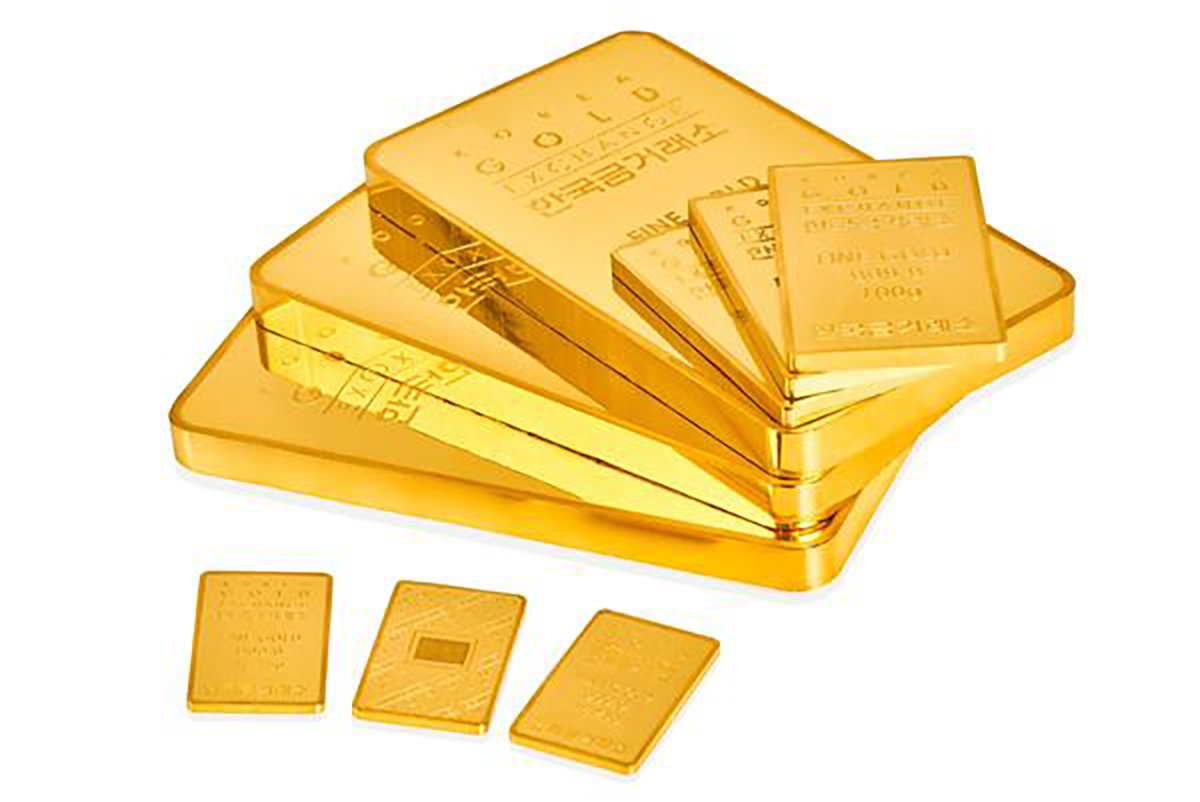
-한국금거래소 순금 살 때 78만9000원…17일보다 3000원 상승
-순금 팔 때 67만4000원…18K·14K 매입가격도 동반 상승
-KRX 금시장 1g당 17만9580원…전 거래일보다 380원 올라
-미국 금 선물 지난주 0.83% 하락…뉴욕증시 조정·고유가 변수
-이번 주 미국 주택·고용·PMI 지표 주목…금리 전망이 관건
국내 금시세가 19일 월요일 오전 상승세를 보였다. 한국금거래소의 순금 소매가격이 지난 17일보다 올랐고, 한국거래소(KRX) 금시장에서도 전 거래일 대비 오름세가 나타났다. 지난주 미국 금 선물은 물가 상승과 추가 긴축 우려 속에 하락했지만, 주 후반에는 달러 약세와 안전자산 수요에 힘입어 낙폭을 일부 만회했다. 이번 주에는 미국 주택시장과 고용, 기업 경기 지표가 향후 금리 전망을 바꿀 변수로 꼽힌다.
◇순금 1돈 78만9000원…17일보다 3000원 상승
19일 한국금거래소가 고시한 순금 24K 한 돈(3.75g) 가격은 소비자가 살 때 78만9000원이다. 지난 17일 마지막 고시가격인 78만6000원보다 3000원(0.38%) 올랐다. 소비자가 팔 때 가격은 67만4000원으로 17일 67만원보다 4000원(0.60%) 상승했다. 살 때 가격에는 부가가치세가 포함되며, 팔 때 가격은 금방금방 앱 기준이다.
이날 고시 이력에는 같은 날짜의 가격이 두 차례 표시됐다. 앞선 고시에서는 순금 살 때 78만9000원, 팔 때 67만5000원이었고, 최신 고시에서는 살 때 가격을 유지한 채 팔 때 가격만 67만4000원으로 1000원 낮아졌다. 따라서 이날 시황은 가장 최근 고시된 78만9000원과 67만4000원을 기준으로 살펴야 한다. 같은 날짜라도 고시 시점에 따라 매입가격이 달라질 수 있다는 의미다.
지난주 마지막 고시와 비교하면 금을 사는 소비자의 부담은 한 돈당 3000원 늘었다. 금을 보유한 소비자가 되팔 때 받을 수 있는 금액도 4000원 높아졌다. 다만 두 가격은 서로 다른 거래 조건을 반영한다. 살 때 가격에는 부가세와 유통비용이 반영되므로 팔 때 가격과의 차이를 곧바로 금값 하락이나 거래 손실로 해석해서는 안 된다.
18K와 14K 매입가격도 상승했다. 18K 한 돈을 팔 때 가격은 49만5400원으로 지난 17일 49만2500원보다 2900원(0.59%) 올랐다. 14K는 38만4200원으로 17일 38만1900원보다 2300원(0.60%) 상승했다. 18K와 14K를 소비자가 살 때 가격에는 별도 정액 고시 대신 제품시세가 적용된다.
귀금속 가격도 오름세를 나타냈다. 백금 한 돈은 살 때 30만7000원, 팔 때 24만9000원으로 각각 2000원 상승했다. 은 한 돈은 살 때 1만350원으로 70원(0.68%), 팔 때 8610원으로 50원(0.58%) 올랐다. 백금 팔 때 가격은 자사 백금바, 은 팔 때 가격은 자사 실버바 기준이다. 금뿐 아니라 백금과 은까지 같은 방향으로 움직였다는 점이 눈에 띈다.
다만 이날 상승만으로 지난주 하락분을 모두 회복한 것은 아니다. 한국금거래소의 순금 살 때 가격은 지난 10일 마지막 고시에서 79만5000원이었고, 17일에는 78만6000원으로 낮아졌다. 19일 78만9000원까지 반등했지만 10일과 비교하면 여전히 6000원 낮다. 팔 때 가격도 10일 68만2000원에서 17일 67만원으로 내려간 뒤 19일 67만4000원으로 일부 회복했다. 단기 반등과 전주 대비 흐름을 구분할 필요가 있다.
국내 실물 금 가격을 살필 때는 '살 때'와 '팔 때'를 분리해야 한다. 이날 순금 한 돈을 새로 구입하는 가격은 78만9000원이지만, 보유한 순금을 되팔 때 적용되는 고시가격은 67만4000원이다. 두 가격의 차이는 11만5000원이다. 이는 고시된 매매가격의 차이로, 금 자체의 당일 변동폭을 의미하지 않는다. 소비자 입장에서는 거래 목적에 따라 확인해야 할 가격이 다르다. 금을 새로 사려는 경우에는 부가세를 포함한 판매가격을, 보유한 금을 처분하려는 경우에는 매입가격을 기준으로 판단해야 한다.
이번 주 첫 고시가 나온 시점에도 가격 변동 가능성은 열려 있다. 한국금거래소는 하루에 여러 차례 가격을 조정할 수 있고, 실제 19일 고시 이력에서도 팔 때 가격이 67만5000원에서 67만4000원으로 바뀌었다. 따라서 오전에 확인한 금값을 하루 전체의 종가처럼 표현해서는 안 된다. 최종 고시가격을 기준으로 하루 변동률을 확정하려면 이날 마지막 고시를 다시 확인해야 한다. 이번 기사는 제공된 시황 화면에서 확인되는 최신 고시가격을 사용했다.
◇KRX 금시장 17만9580원…오전장 0.21% 상승
KRX 금시장에서도 금가격이 상승했다. 한국거래소의 금 99.99_1kg 종목은 19일 오전 10시 1분 7초 조회 기준 1g당 17만9580원을 기록했다. 전 거래일인 16일 종가 17만9200원보다 380원(0.21%) 오른 가격이다. 해당 화면은 20분 지연 정보로, 장중 조회 시점의 가격이지 이날 최종 종가는 아니다.
19일 시가는 17만9500원이었다. 장중 최고가는 17만9950원, 최저가는 17만9350원으로 나타났다. 시가와 조회 가격의 차이는 80원이며, 고가와 저가의 차이는 600원이다. 오전장에서는 18만원에 근접했지만 조회 시점까지 이를 넘어서지는 못했다. 전 거래일 종가를 웃도는 수준에서 움직였다는 점에서 주 초반 매수세가 가격을 지지한 모습이다.
같은 시각 거래량은 1만3078g, 거래대금은 23억4859만360원으로 집계됐다. 이는 오전장까지의 누적 수치다. 16일 하루 전체 거래량 8만5043g, 거래대금 152억9857만2190원과 단순 비교해 거래가 감소했다고 판단하기는 어렵다. 거래시간이 서로 다르기 때문이다. 이날 거래 규모를 평가하려면 장 마감 뒤 확정된 거래량과 거래대금을 다시 확인해야 한다.
지난주 KRX 금시장은 한국금거래소의 실물 금 소매가격과 다른 흐름을 보였다. KRX 금 1g당 종가는 8일 17만7480원에서 16일 17만9200원으로 1720원(0.97%) 상승했다. 반면 한국금거래소의 순금 한 돈 살 때 가격은 10일 79만5000원에서 17일 78만6000원으로 9000원(1.13%) 하락했다. 19일 오전에는 두 시장이 나란히 상승했지만, 지난주 전체 등락 방향까지 같았던 것은 아니다.
비교 기준일에도 차이가 있다. KRX 금시장은 지난 9일 한글날 휴장해 8일 종가가 전주 마지막 거래가격이다. 한국금거래소는 10일에도 시세를 고시했고, 미국 금 선물은 9일 거래를 마쳤다. 국내 실물 금 소매가격과 장내 금 가격은 부가세 포함 여부와 유통비용, 거래 구조도 다르다. 따라서 어느 한쪽의 등락률이 더 크다는 이유만으로 시장 반응이 과도했다고 평가하기는 어렵다.
또한 KRX 금시세는 국제 금가격과 원·달러 환율의 영향을 함께 받는다. 이날 제시된 원·달러 환율은 1336.00원이다. 다만 환율의 비교 시점이 별도로 주어지지 않아 전 거래일 대비 상승·하락을 판단하는 자료로 사용하지 않았다. 국제 금값이 달러 기준으로 움직이는 만큼 환율 변화는 원화로 환산한 금 가격에 영향을 미칠 수 있다.
지난주 KRX 금시장의 하루별 움직임도 살펴볼 필요가 있다. 12일 종가는 17만9970원으로 8일 종가보다 2490원 높았고, 13일에는 18만1100원까지 상승했다. 그러나 14일 17만9180원, 15일 17만9050원으로 이틀 연속 내려갔다. 16일에는 17만9200원으로 소폭 반등했다. 주간 최고 종가는 13일에 나왔지만 장중 최고가는 12일 18만1500원이었다. 종가와 장중 최고가를 구분해야 한 주 흐름을 정확하게 파악할 수 있다.
KRX 금시장은 15일 거래가 특히 활발했다. 당시 거래량은 22만8731g, 거래대금은 410억7638만8590원으로 지난주 5거래일 가운데 가장 많았다. 같은 날 종가는 전날보다 130원 낮았다. 거래량이 늘어난 날이라고 해서 반드시 가격이 오른 것은 아니라는 뜻이다. 거래량만으로 매수·매도 주체나 가격 변동의 직접적인 원인을 특정할 수 없지만, 시장 참여가 집중된 시점을 확인하는 데에는 의미가 있다.
◇미국 금 선물 지난주 0.83% 하락…4200달러 회복 실패
해외 금시장은 지난주 큰 폭의 변동을 겪었다. 미국 12월 인도분 금 선물은 9일 트로이온스당 4216.30달러에 거래를 마친 뒤 16일 4181.10달러로 내려왔다. 전주 마지막 거래일 대비 35.20달러(0.83%) 하락한 것이다. 다만 16일 하루만 보면 전날 4170.10달러보다 11달러(0.26%) 올라 주 후반 반등 흐름을 이어갔다.
주초에는 4200달러를 웃도는 거래가 이어졌다. 12일 금 선물은 4220.80달러에 거래를 시작해 장중 4242.30달러까지 올랐지만 종가는 4190.60달러였다. 13일에도 4224.80달러까지 상승했다가 4177.30달러로 마감했다. 장중 상승이 마감 가격으로 이어지지 못하면서 4200달러 안착에 실패했다.
주간 낙폭이 가장 컸던 날은 14일이었다. 금 선물은 장중 4095달러까지 내려갔고, 종가는 4107.90달러로 전날보다 69.40달러(1.66%) 하락했다. 이날 저가는 한 주 최저가였다. 12일 최고가 4242.30달러와 비교하면 주간 장중 가격 차이는 147.30달러에 달한다. 짧은 기간에 가격이 크게 움직였다는 점에서 방향을 예측하기 어려운 장세였다.
이후 15일에는 4170.10달러, 16일에는 4181.10달러로 이틀 연속 종가가 올랐다. 16일 장중에도 4220.40달러까지 상승했으나 상승분을 모두 지키지 못했다. 결과적으로 지난주 국제 금값은 중반 급락 이후 일부 회복했지만 전주 마지막 가격과 4200달러선을 모두 밑돌며 거래를 마쳤다. 이번 주에는 이 반등이 이어질지, 다시 매도 압력이 커질지가 관심이다.
현물 금과 선물 가격은 구분해서 볼 필요가 있다. 지난 16일 미국 동부시간 오후 2시 7분 기준 현물 금은 온스당 4165.12달러로 전일 대비 0.1% 하락했고, 당시 집계된 주간 하락률은 0.7%였다. 같은 날 미국 12월 금 선물의 종가와 수치가 다른 것은 거래 상품과 집계 시각이 다르기 때문이다. 19일 국내 오전 시황에 미국 금 선물의 새로운 거래가격을 덧붙이려면 해당 시각의 별도 자료가 필요하다.
지난주 금 선물 가격을 날짜별로 보면 반등의 강도와 한계가 더 분명해진다. 14일 종가 4107.90달러에서 15일 4170.10달러로 62.20달러 올랐고, 16일에도 11달러 상승했다. 이틀간 73.20달러를 회복한 셈이다. 그러나 13일 종가 4177.30달러를 넘어섰다고 해서 주간 하락이 사라진 것은 아니다. 전주 마지막 거래일인 9일 종가가 4216.30달러였기 때문이다. 주 후반 이틀간의 상승과 전주 대비 0.83% 하락은 동시에 성립한다.
해외 금가격의 변동을 국내 금시세와 연결할 때는 시차도 고려해야 한다. 미국 금 선물은 뉴욕시장 거래 시간과 국내 금시장 거래 시간이 다르다. 국내 월요일 오전 시세에는 지난주 후반 미국 시장에서 나타난 가격 움직임과 주말 사이의 위험 인식이 반영될 수 있다. 다만 특정 뉴스가 국내 가격을 몇 원 움직였는지까지는 제시된 시황만으로 계산할 수 없다. 시장 간 방향이 같더라도 원인과 반영 정도를 단정하지 않는 것이 정확하다.
◇미국 물가와 뉴욕증시 조정…금가격에 엇갈린 영향
지난주 국제 금시세를 압박한 주요 요인은 미국 물가 지표였다. 14일 발표된 미국의 9월 소비자물가지수(CPI)는 전년 동기 대비 3.7% 상승해 시장 예상치를 웃돌았다. 15일 발표된 생산자물가지수(PPI)도 전년 동기 대비 6.3% 상승했다. 물가 상승세가 쉽게 꺾이지 않는다는 우려는 미국 연방준비제도(Fed·연준)의 추가 금리 인상 가능성을 자극했다.
금은 이자를 지급하지 않는 자산이다. 시장금리가 오르면 예금이나 채권처럼 이자를 받을 수 있는 자산과 비교해 금 보유의 상대적 매력이 낮아질 수 있다. 특히 물가 지표가 예상보다 높게 나오면 국채금리와 달러가 함께 상승하면서 달러로 거래되는 금에 부담을 주기도 한다. 지난주 중반 금값이 급락한 배경에는 이런 금리 전망의 변화가 있었다.
그러나 높은 물가가 언제나 금가격 하락으로 이어지는 것은 아니다. 인플레이션에 대한 경계가 커지면 실물자산인 금을 찾는 수요도 늘 수 있다. 관건은 물가 상승이 금리 전망과 달러 가치, 투자자들의 위험 회피 심리에 어떤 영향을 주느냐다. 지난주 후반에는 미국 증시가 급락하고 일부 국채금리와 달러가 하락하면서 금값이 반등할 여건이 마련됐다.
16일 뉴욕증시에서 나스닥 종합지수는 2.15% 하락한 2만6140.03에 마감했다. S&P500지수는 1.09%, 다우존스30산업평균지수는 0.34% 내렸다. 나스닥은 한 주 동안 4.48% 하락했다. 특히 반도체와 인공지능(AI) 관련 종목의 낙폭이 컸다. 대규모 AI 인프라 투자에 필요한 자금 조달 부담과 투자 수익성에 대한 우려가 투자심리를 위축시켰다.
필라델피아 반도체지수는 16일 3.83% 떨어졌고, AI 클라우드 기업 코어위브도 11.91% 하락했다. 기술주를 중심으로 위험자산 매도가 확산되면 투자자들이 금과 같은 안전자산으로 자금을 옮길 가능성이 커진다. 다만 증시 하락과 금값 상승이 항상 동시에 나타나는 것은 아니다. 급격한 시장 변동 때는 현금 확보를 위한 매도가 금시장에도 영향을 줄 수 있다.
국제유가 급등도 금값시세를 둘러싼 전망을 복잡하게 만들었다. 16일 서부텍사스산원유(WTI) 11월물은 배럴당 101.41달러로 전날보다 3.51% 상승했고, 브렌트유 12월물은 109.86달러로 3.72% 올랐다. 중동의 군사적 긴장과 원유 공급 차질 우려가 유가를 끌어올렸다. 유가 상승은 지정학적 불안을 키워 금의 안전자산 수요를 자극할 수 있지만, 동시에 물가를 밀어 올려 추가 긴축 우려를 높이는 요인이기도 하다.
지난주 후반 금값이 반등하고도 4200달러선을 지키지 못한 데에는 이러한 상반된 힘이 작용했다. 증시 불안과 지정학적 위험은 금에 우호적이었지만, 높은 물가와 고유가에 따른 금리 부담은 상승폭을 제한했다. 따라서 이번 주 금값을 판단할 때도 뉴욕증시의 방향만 볼 것이 아니라 미국 국채금리와 달러, 원유 가격을 함께 살펴야 한다.
미국 국채금리도 한 방향으로만 움직이지 않았다. 지난 16일 뉴욕 오후 3시 기준 10년물 국채금리는 5.0970%로 전날보다 1bp 상승했고, 2년물은 4.7360%로 1.3bp 하락했다. 장중에는 10년물 금리가 5.13%를 웃돈 시점도 있었다. 만기가 다른 국채의 금리가 엇갈렸다는 것은 금리 전망을 단순히 상승 또는 하락 한마디로 정리하기 어렵다는 뜻이다. 달러인덱스는 같은 날 뉴욕 오후 4시 기준 101.786으로 전장보다 약 0.24% 하락했다. 금값 반등을 설명할 때는 이처럼 금리의 만기별 차이와 달러의 움직임을 함께 살펴야 한다.
◇이번 주 주택·고용·PMI 지표 주목…연준 전망이 관건
이번 주에는 미국의 실물경제 흐름을 보여주는 지표가 차례로 발표될 예정이다. 20일에는 9월 주택 착공과 건축허가, 잠정주택판매 관련 지표가 예정돼 있다. 주택시장은 대출금리에 민감해 고금리 환경이 소비와 투자에 미치는 영향을 살펴볼 수 있는 분야다. 주택 거래와 건설 활동이 예상보다 위축된다면 향후 금리 동결에 대한 기대가 커질 수 있다.
22일에는 주간 신규 실업수당 청구 건수가 발표될 예정이다. 고용시장은 연준의 통화정책 판단에서 중요한 변수다. 청구 건수가 증가하면 노동시장 둔화 우려가 커질 수 있지만, 낮은 수준을 유지하면 미국 경제가 높은 금리를 견딜 수 있다는 해석에 힘이 실릴 수 있다. 금시장에서는 이러한 고용 지표가 국채금리와 달러의 움직임을 통해 가격에 반영될 가능성이 있다.
23일에는 S&P 글로벌의 10월 제조업·서비스업·종합 구매관리자지수(PMI) 잠정치와 미시간대 소비자심리지수 확정치가 예정돼 있다. PMI는 기업 활동의 확장과 위축을 가늠하는 지표로, 경기 전망과 물가 압력에 대한 시장의 판단을 바꿀 수 있다. 소비자심리지수 역시 가계의 경기 인식과 물가 기대를 살필 수 있어 주목된다.
이들 지표는 이달 27~28일 예정된 연방공개시장위원회(FOMC)를 앞두고 발표된다는 점에서 의미가 있다. 시장에서는 연준이 10월 회의에서 금리를 동결할 가능성에 무게를 두고 있지만, 높은 물가가 이어질 경우 연말까지 추가 긴축 가능성을 완전히 배제하기는 어렵다. 특정 회의의 금리 결정 확률은 집계 시각에 따라 달라지므로 확인되지 않은 수치를 단정적으로 제시하지 않았다.
가격 측면에서는 미국 금 선물의 4200달러 회복 여부가 단기 관전 지점이다. 지난주에는 이 가격을 여러 차례 웃돌고도 종가 기준으로 지키지 못했다. 반대로 14일 기록한 4100달러 안팎의 저점은 매도 압력이 다시 커질 경우 시장이 주목할 구간이다. 다만 이들 가격대는 최근 거래에서 확인된 수준일 뿐, 향후 지지나 저항을 보장하는 수치는 아니다.
국내 금가격은 국제 시세뿐 아니라 원·달러 환율과 거래 방식의 영향을 함께 받는다. 국제 금값이 오르더라도 원화 강세가 나타나면 국내 가격 상승폭은 줄어들 수 있고, 반대로 달러 기준 금값이 내려도 원화 약세가 이를 일부 상쇄할 수 있다. 한국금거래소의 소매 고시가격과 KRX 장내 가격이 같은 방향으로 움직이는지, 움직이더라도 상승폭이 얼마나 다른지 확인할 필요가 있다.
지난주 뉴욕증시의 하락이 이번 주에도 이어질지도 변수다. 기술주 조정이 확대되면 투자자들이 위험자산 비중을 줄이면서 금을 찾을 수 있다. 그러나 주식시장의 급락이 금융시장의 유동성 확보 움직임으로 번질 경우 금까지 매도 대상이 될 가능성도 있다. 안전자산이라는 이유만으로 금이 언제나 주가와 반대로 움직인다고 볼 수 없는 이유다. 이번 주에는 주식시장의 낙폭뿐 아니라 채권금리와 달러가 같은 시간에 어떻게 반응하는지 확인해야 한다. 특히 물가 불안이 커지면서 채권금리가 오르는지, 경기 둔화 우려로 금리가 내려가는지에 따라 금시장에 미치는 영향은 달라질 수 있다. 같은 주가 하락이라도 배경에 따라 금값의 반응이 다를 수 있다는 의미다.
19일 오전에는 한국금거래소 순금 가격과 KRX 금시세가 모두 전주 마지막 가격보다 높았다. 다만 국내 금값의 이날 상승이 이번 주 내내 이어질지는 아직 알 수 없다. 미국의 물가 부담과 뉴욕증시 조정, 국제유가 상승이 맞물린 가운데 이번 주 경제지표가 금리 전망을 어느 방향으로 움직이느냐에 따라 금값도 다시 변동성을 보일 가능성이 있다. 오전장 가격과 주간 전망을 구분해 살펴야 하는 이유다.
/박상진 기자 jhc@kjdaily.com
다음은 위 기사를 번역한 전문이다. 번역에 오류가 있을 수 있다.
- Korea Gold Exchange: Price to purchase 24K gold is 789,000 won—up 3,000 won from the 17th.
- Selling price for 24K gold is 674,000 won; purchase prices for 18K and 14K gold have also risen.
- KRX Gold Market: 179,580 won per gram—an increase of 380 won from the previous trading day.
- U.S. gold futures fell 0.83% last week, influenced by a correction in the New York stock market and high oil prices.
- Focus this week on U.S. housing, employment, and PMI data; interest rate outlook remains the key factor.
Domestic gold prices showed an upward trend on the morning of Monday, the 19th. The retail price for 24K gold at the Korea Gold Exchange increased compared to the 17th, and the Korea Exchange (KRX) Gold Market also saw a rise from the previous trading day. Although U.S. gold futures declined last week amid concerns over inflation and further monetary tightening, they recovered some of those losses toward the end of the week, supported by a weaker dollar and demand for safe-haven assets. This week, U.S. data on the housing market, employment, and business activity are being watched as potential variables that could shift the outlook for interest rates.
◇ 24K Gold (1 don/3.75g) at 789,000 won—up 3,000 won from the 17th
As of the 19th, the price for one *don* (3.75g) of 24K gold, as posted by the Korea Gold Exchange, is 789,000 won for consumers. This represents an increase of 3,000 won (0.38%) from the last posted price of 786,000 won on the 17th. The price at which consumers can sell gold reached 674,000 won, an increase of 4,000 won (0.60%) from the 670,000 won recorded on the 17th. The purchase price (the price consumers pay to buy gold) includes value-added tax (VAT), and these figures are based on the "Geum-bang-geum-bang" (Gold Shop) mobile app.
On this day, the price history showed two separate entries for the same date. The earlier entry listed the price for buying pure gold at 789,000 won and selling it at 675,000 won, while the latest entry kept the purchase price the same but lowered the selling price by 1,000 won to 674,000 won. Therefore, the current market status should be assessed based on the most recent figures: 789,000 won for buying and 674,000 won for selling. This indicates that prices can vary depending on the specific time of day the rates are posted.
Compared to the final posted prices from last week, the cost for consumers to purchase gold has increased by 3,000 won per *don* (a traditional Korean unit of weight, approximately 3.75 grams). Meanwhile, the amount consumers can receive when selling gold they already own has risen by 4,000 won. However, it is important to note that these two prices reflect different transaction conditions; because the purchase price includes VAT and distribution costs, the gap between the buying and selling prices should not be interpreted simply as a decline in the value of gold or a trading loss.
The prices for 18K and 14K gold have also risen. The price for selling one *don* of 18K gold reached 495,400 won—an increase of 2,900 won (0.59%) from the 492,500 won recorded on the 17th. For 14K gold, the price rose to 384,200 won, up 2,300 won (0.60%) from the 381,900 won seen on the 17th. For 18K and 14K gold products, prices are determined based on current market rates rather than a fixed, pre-set price list.
Prices for other precious metals also showed an upward trend. The price for one *don* (approx. 3.75 grams) of platinum rose by 2,000 won, reaching 307,000 won for purchase and 249,000 won for sale. The price for one *don* of silver increased by 70 won (0.68%) to 10,350 won for purchase, and by 50 won (0.58%) to 8,610 won for sale. These figures for selling platinum and silver are based on the company’s own platinum and silver bars, respectively. It is notable that platinum and silver moved in the same direction as gold.
However, this single day’s increase was not enough to fully recover the losses seen last week. At the Korea Gold Exchange, the purchase price for pure gold was 795,000 won according to the last posted rate on the 10th, but it fell to 786,000 won by the 17th. Although it rebounded to 789,000 won on the 19th, it remains 6000 won lower than the price on the 10th. Similarly, the selling price dropped from 682,000 won on the 10th to 670,000 won on the 17th, before recovering slightly to 674,000 won on the 19th. It is important to distinguish between short-term rebounds and the overall trend compared to the previous week.
When examining domestic physical gold prices, one must distinguish between the "purchase" price and the "selling" price. On this day, the cost to purchase one *don* of pure gold was 789,000 won, while the posted price for selling back pure gold one already owns was 674,000 won. The difference between these two prices is 115,000 won. This difference reflects the gap between the posted buying and selling prices; it does not represent the intraday price volatility of gold itself. Depending on their objective, consumers should look at different figures: those looking to purchase gold should refer to the selling price (inclusive of value-added tax), while those looking to sell gold they already own should refer to the buying price.
Even after the first price is posted for the week, there remains the possibility of further fluctuations. The Korea Gold Exchange may adjust its prices multiple times throughout the day—for instance, on the 19th, the selling price was adjusted from 675,000 won to 674,000 won. Therefore, a gold price checked in the morning should not be treated as the closing price for the entire day. To determine the daily rate of change based on the final posted price, one must check the last posted price of the day. This article utilizes the most recent posted prices available on the provided market data screen.
◇ KRX Gold Market: 179,580 won… 0.21% increase in morning trading
Gold prices also rose in the KRX Gold Market. As of 10:01:07 AM on the 19th, the price for the "Gold 99.99_1kg" product on the Korea Exchange stood at 179,580 won per gram—an increase of 380 won (0.21%) from the previous trading day’s (the 16th) closing price of 179,200 won. This data is subject to a 20-minute delay and represents the price at the specific time it was viewed during the trading session, not the final closing price for the day.
On the 19th, the opening price was 179,500 won. During the session, the price reached a high of 179,950 won and a low of 179,350 won. The difference between the opening price and the price at the time of inquiry is 80 won, while the spread between the high and low prices is 600 won. During the morning session, the price approached 180,000 won but did not surpass that level by the time of this check. The fact that the price remained above the previous trading day’s closing figure suggests that buying interest early in the week provided support.
At the same time, the trading volume stood at 13,078 grams, with a total transaction value of 2,348,590,360 won—figures representing the cumulative totals for the morning session. It would be premature to conclude that trading activity has declined based on a simple comparison with the full-day figures from the 16th (85,043 grams and 15,298,572,190 won), as the timeframes differ. A more accurate assessment of the day's trading scale will require reviewing the final volume and value figures once the market closes.
Last week, the KRX Gold Market showed a different trend compared to the retail price of physical gold at the Korea Gold Exchange. The closing price per gram of gold on the KRX rose by 1,720 won (0.97%)—from 177,480 won on the 8th to 179,200 won on the 16th. Conversely, the purchase price for a "don" (3.75 grams) of pure gold at the Korea Gold Exchange fell by 9,000 won (1.13%)—from 795,000 won on the 10th to 786,000 won on the 17th. While both markets saw gains on the morning of the 19th, they did not necessarily move in the same direction throughout the previous week.
There are also differences in the reference dates. The KRX Gold Market was closed on the 9th for Hangeul Day, making the closing price from the 8th the final trading price for that week. In contrast, the Korea Gold Exchange posted prices on the 10th, and U.S. gold futures were traded on the 9th. Furthermore, domestic retail gold prices and exchange-traded gold prices differ in terms of whether value-added tax (VAT) is included, as well as in their distribution costs and overall trading structures. Therefore, it is difficult to conclude that the market reaction was excessive simply because the rate of fluctuation was greater on one side than the other.
Furthermore, gold prices on the KRX (Korea Exchange) are influenced by both international gold prices and the KRW/USD exchange rate. The KRW/USD exchange rate cited for the day was 1,336.00 KRW. However, as no specific reference point for the exchange rate was provided, it could not be used to determine whether the rate had risen or fallen compared to the previous trading day. Since international gold prices are denominated in U.S. dollars, changes in the exchange rate can affect the price of gold when converted into Korean won.
It is also worth examining the daily movements of the KRX gold market over the past week. The closing price on the 12th was 179,970 KRW—an increase of 2,490 KRW from the closing price on the 8th—and it rose further to 181,100 KRW on the 13th. Subsequently, however, the price fell for two consecutive days, reaching 179,180 KRW on the 14th and 179,050 KRW on the 15th. On the 16th, it saw a slight rebound to 179,200 KRW. While the highest closing price for the week occurred on the 13th, the intraday high was 181,500 KRW, recorded on the 12th. Distinguishing between closing prices and intraday highs is essential for an accurate understanding of the week's market trends.
Trading in the KRX gold market was particularly active on the 15th. With a trading volume of 228,731 grams and a total transaction value of 41,076,388,590 KRW, it marked the highest level of activity among the five trading days that week. On that same day, the closing price was 130 KRW lower than the previous day, demonstrating that an increase in trading volume does not necessarily lead to a rise in price. While trading volume alone cannot identify the specific entities behind a buy or sell, nor the direct cause of a price change, it is useful for pinpointing moments when market participation is concentrated.
◇ U.S. Gold Futures Fall 0.83% Last Week… Fail to Reclaim $4,200 Level
The international gold market experienced significant volatility last week. U.S. gold futures for December delivery closed at $4,216.30 per troy ounce on the 9th, but fell to $4,181.10 by the 16th—a decline of $35.20 (0.83%) from the final trading day of the previous week. However, looking specifically at the 16th, the price rose by $11 (0.26%) from the previous day’s close of $4,170.10, continuing a rebound trend seen toward the end of the week.
At the beginning of the week, trading remained above the $4,200 mark. On the 12th, gold futures opened at $4,220.80 and climbed as high as $4,242.30 during the session, though they ultimately closed at $4,190.60. On the 13th, the price again rose—reaching $4,224.80—before closing at $4,177.30. Because these intraday gains failed to hold through to the close, the price could not firmly establish itself above $4,200.
The sharpest decline of the week occurred on the 14th. Gold futures dropped as low as $4,095 during the session and closed at $4,107.90, down $69.40 (1.66%) from the previous day. This intraday low marked the lowest price for the week. Compared to the weekly high of $4,242.30 reached on the 12th, the total intraday price range for the week spanned $147.30. Given the substantial price swings over such a short period, the market proved difficult to predict in terms of its overall direction. Subsequently, the closing price rose for two consecutive days, reaching $4,170.10 on the 15th and $4,181.10 on the 16th. During intraday trading on the 16th, the price climbed as high as $4,220.40, but it failed to hold onto all of those gains. Ultimately, while international gold prices saw a partial recovery following a sharp mid-week decline, they ended the week below both the previous week’s closing price and the $4,200 mark. The key question for this week is whether this rebound will continue or if selling pressure will intensify once again.
It is important to distinguish between spot gold and gold futures. As of 2:07 p.m. Eastern Time on the 16th, spot gold was trading at $4,165.12 per ounce—down 0.1% from the previous day—with a weekly decline of 0.7% recorded at that time. The discrepancy between these figures and the closing price for U.S. gold futures (for December delivery) on the same day arises from differences in the specific financial instruments and the times at which the data were compiled. To incorporate the latest trading prices for U.S. gold futures into a domestic market update on the morning of the 19th, separate data specific to that time would be required.
Examining the daily gold futures prices from last week clarifies both the strength and the limitations of the rebound. The price rose by $62.20—from a closing price of $4,107.90 on the 14th to $4,170.10 on the 15th—followed by an additional $11 increase on the 16th, marking a total recovery of $73.20 over two days. However, the fact that the price surpassed the $4,177.30 closing price from the 13th does not mean the weekly decline was erased; the closing price on the 9th—the final trading day of the preceding week—had stood at $4,216.30. It is entirely possible for gold prices to rise over the final two days of the week while still ending the week 0.83% lower than the previous week.
When linking international gold price fluctuations to the domestic gold market, one must account for time differences. Trading hours for U.S. gold futures differ from those of the domestic gold market. Domestic gold prices on Monday morning may reflect price movements from the U.S. market late the previous week, as well as shifts in risk sentiment that occurred over the weekend. However, it is not possible to calculate exactly how much a specific piece of news influenced domestic prices—in terms of specific won amounts—based solely on the provided market commentary. Even when markets move in the same direction, it is more accurate to avoid making definitive claims about the specific causes or the precise extent of their impact.
◇ U.S. Inflation and New York Stock Market Corrections: Mixed Impacts on Gold Prices
A primary factor weighing on international gold prices last week was U.S. inflation data. The U.S. Consumer Price Index (CPI) for September, released on the 14th, rose 3.7% year-on-year—exceeding market expectations. The Producer Price Index (PPI), released on the 15th, also climbed 6.3% year-on-year. Concerns that inflationary pressure would not easily subside fueled speculation regarding potential further interest rate hikes by the U.S. Federal Reserve (Fed).
Gold is a non-interest-bearing asset. As market interest rates rise, the relative appeal of holding gold diminishes compared to assets that generate interest, such as bank deposits or bonds. In particular, when inflation data comes in higher than expected, both U.S. Treasury yields and the U.S. dollar tend to rise, which puts downward pressure on gold—an asset priced in dollars. This shift in interest rate expectations was the underlying reason for the sharp decline in gold prices mid-week.
However, high inflation does not always lead to a drop in gold prices. Heightened concerns regarding inflation can also drive increased demand for gold, which is a tangible, physical asset. The key factor is how rising inflation affects interest rate outlooks, the value of the U.S. dollar, and investor risk aversion. Late last week, a sharp decline in U.S. stock markets, coupled with a drop in certain government bond yields and the dollar, created conditions for a rebound in gold prices.
On the 16th, the Nasdaq Composite index closed at 26,140.03, down 2.15%. The S&P 500 fell 1.09%, and the Dow Jones Industrial Average declined 0.34%. For the week, the Nasdaq dropped 4.48%. Semiconductor and artificial intelligence (AI)-related stocks saw particularly steep declines; investor sentiment was dampened by concerns regarding the financing burden for large-scale AI infrastructure investments and the potential profitability of such ventures.
The Philadelphia Semiconductor Index fell 3.83% on the 16th, while shares of AI cloud company CoreWeave dropped 11.91%. A broad sell-off of risk assets—led by technology stocks—increases the likelihood that investors will shift capital into safe-haven assets like gold. However, a decline in the stock market does not always coincide with a rise in gold prices; during periods of extreme market volatility, selling to raise cash can also impact the gold market.
A sharp surge in international oil prices has further complicated the outlook for gold. On the 16th, West Texas Intermediate (WTI) crude oil for November delivery rose 3.51% to $101.41 per barrel, while Brent crude for December delivery climbed 3.72% to $109.86 per barrel. Military tensions in the Middle East and concerns over potential disruptions to crude oil supplies have driven up oil prices. While rising oil prices can fuel geopolitical instability—thereby stimulating demand for gold as a "safe-haven" asset—they also exert upward pressure on inflation, raising concerns about further monetary tightening.
These conflicting forces explain why gold prices, despite a rebound late last week, failed to hold above the $4,200 level. While stock market volatility and geopolitical risks were favorable for gold, the burden of high inflation and elevated oil prices—which weigh on interest rate expectations—limited the upside. Consequently, when assessing the outlook for gold prices this week, one must look beyond the direction of the New York stock market and also consider U.S. Treasury yields, the value of the dollar, and crude oil prices.
U.S. Treasury yields have not moved in a uniform direction. As of 3:00 p.m. in New York on the 16th, the 10-year Treasury yield stood at 5.0970%—up 1 basis point (bp) from the previous day—while the 2-year yield fell by 1.3 bp to 4.7360%. At one point during the session, the 10-year yield even climbed above 5.13%. The divergence in yields across different maturities suggests that the interest rate outlook cannot be simply categorized as either rising or falling. Meanwhile, the U.S. Dollar Index stood at 101.786 as of 4:00 p.m. in New York that same day, marking a decline of approximately 0.24% from the previous close. Therefore, any analysis of a rebound in gold prices must account for both the variations in yields across different maturities and the movements of the U.S. dollar.
◇ Focus on This Week’s Housing, Employment, and PMI Data… Fed Outlook Remains Key
A series of indicators reflecting the state of the U.S. real economy are set to be released this week. On the 20th, data on September housing starts, building permits, and pending home sales will be unveiled. Because the housing market is highly sensitive to lending rates, it serves as a useful gauge for assessing how a high-interest-rate environment is affecting consumption and investment. Should housing transactions and construction activity contract more than expected, it could bolster expectations that the Federal Reserve will hold interest rates steady.
On the 22nd, the weekly number of initial jobless claims will be released. The labor market is a critical variable in the Federal Reserve’s monetary policy decisions. A rise in jobless claims could fuel concerns about a cooling labor market, while figures remaining at low levels would support the view that the U.S. economy is resilient enough to withstand high interest rates. In the gold market, these employment figures are likely to influence prices through their impact on Treasury yields and the value of the U.S. dollar.
On the 23rd, S&P Global will release its preliminary Purchasing Managers' Index (PMI) data for the manufacturing, services, and composite sectors for October, alongside the University of Michigan’s final consumer sentiment index. The PMI serves as a barometer for the expansion or contraction of business activity and can shift market perceptions regarding the economic outlook and inflationary pressures. The consumer sentiment index is also closely watched, as it provides insight into how households perceive the economy and their expectations regarding inflation.
These indicators are particularly significant as they arrive ahead of the Federal Open Market Committee (FOMC) meeting scheduled for October 27–28. While the market largely anticipates that the Federal Reserve will keep interest rates unchanged at the October meeting, the possibility of further tightening before the end of the year cannot be entirely ruled out, especially if high inflation persists. Since the probability of a specific interest rate decision at any given meeting can shift depending on the time of calculation, no definitive figures have been presented.
In terms of pricing, a key short-term focus is whether U.S. gold futures can reclaim the $4,200 level. Last week, the price rose above this mark several times but failed to hold it by the market close. Conversely, the low of around $4,100 recorded on the 14th is a level to watch should selling pressure intensify. It should be noted, however, that these price points are merely observations from recent trading and do not guarantee future support or resistance levels.
Domestic gold prices are influenced not only by international market rates but also by the KRW/USD exchange rate and the specific trading mechanism used. Even if international gold prices rise, a strengthening Korean won could dampen the increase in domestic prices; conversely, a weakening won could partially offset a decline in dollar-denominated gold prices. It is worth monitoring whether the retail posted prices from the Korea Gold Exchange and the prices on the KRX (Korea Exchange) move in the same direction, and if so, whether the magnitude of their changes differs.
Another variable is whether the decline seen in the New York stock market last week will persist into this week. If the correction in tech stocks deepens, investors might reduce their exposure to riskier assets and turn toward gold. However, if a sharp stock market sell-off triggers a scramble for liquidity across the broader financial system, gold itself could also become a target for liquidation. This is why one cannot assume that gold will always move inversely to stock prices simply because it is considered a "safe-haven" asset. This week, it will be important to observe not only the scale of any stock market decline but also how bond yields and the U.S. dollar react simultaneously. In particular, the impact on the gold market may vary depending on whether bond yields rise due to heightened concerns over inflation, or fall due to fears of an economic slowdown. This means that the reaction of gold prices to a decline in stock prices can vary depending on the underlying circumstances.
On the morning of the 19th, both the price of pure gold at the Korea Gold Exchange and the gold price on the KRX (Korea Exchange) were higher than their respective closing levels from the previous week. However, it remains uncertain whether this domestic rise in gold prices will persist throughout the week. Given the confluence of factors—including inflationary pressures in the U.S., a correction in the New York stock market, and rising international oil prices—gold prices could see renewed volatility depending on how this week’s economic indicators influence the outlook for interest rates. This is why it is necessary to distinguish between current morning market prices and the broader weekly outlook.
/Reporter Park Sang-jin, jhc@kjdaily.com
박상진 기자 jhc@kjdaily.com
▶ 디지털 뉴스 콘텐츠 이용규칙보기


