

 2026.09.18 (금) 20:22


|
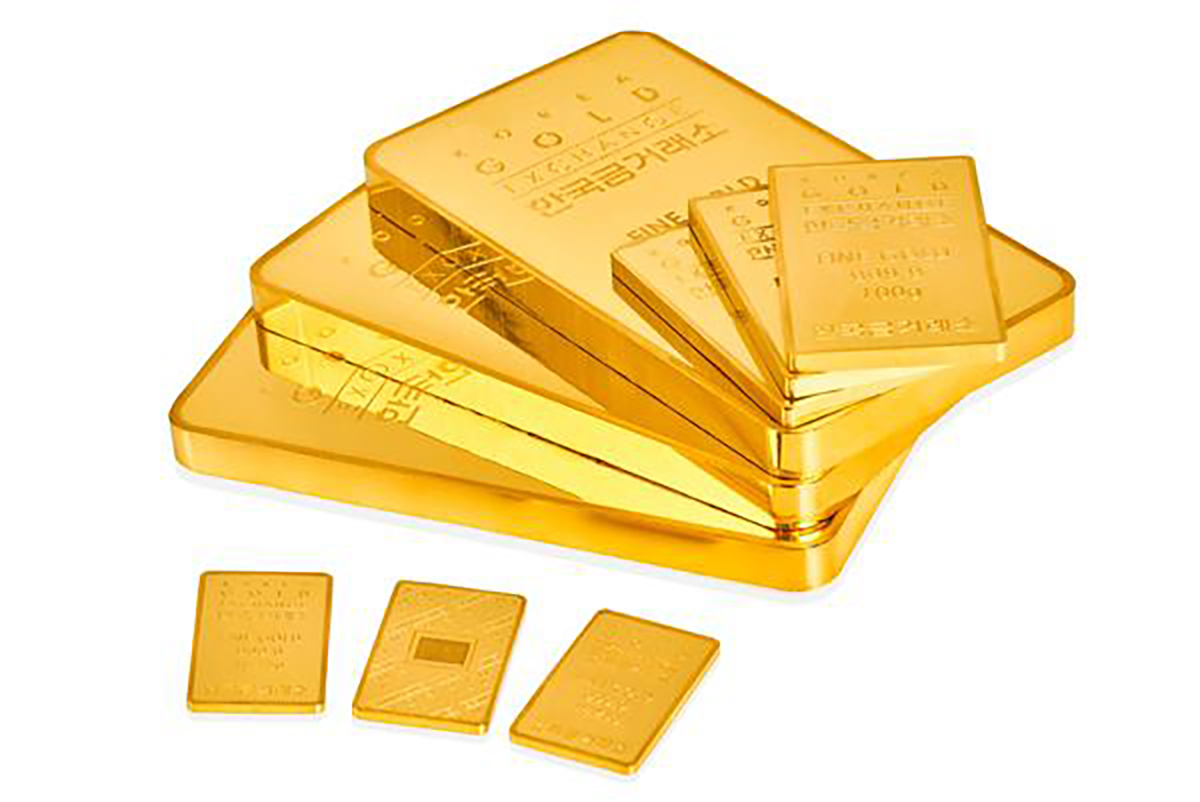
-오늘의 금시세(한국금거래소 0.59%↑·KRX 1.21%↑)
-한국금거래소 순금 1돈 살 때 85만4000원…5000원↑
-순금 팔 때 71만5000원…전날 마지막 고시보다 5000원↑
-KRX 금가격 1g당 19만4300원…전날보다 2330원 상승
-원·달러 환율 1384.20원…원화 기준 금가격 변수
-국제 금 현물 4360.36달러…하루 만에 2.3% 반등
-美 금 선물 4399.70달러…0.3% 상승
-유가·美 국채 수익률 하락에 금가격 부담 완화
-달러 7주 만의 고점서 후퇴…국제 금값 상승 뒷받침
-연준 추가 금리 인상 가능성은 여전히 부담
-10월 추가 인상 가능성 51%…전날 44%서 상승
18일 오전 국내 금시세가 상승하고 있다.
한국금거래소에서 순금 1돈(3.75g)을 살 때 가격은 85만원을 넘어섰다. 한국거래소(KRX) 금시장에서도 금가격이 1% 넘게 오르며 1g당 19만4000원대로 올라섰다.
간밤 국제 금값도 큰 폭으로 반등했다.
미국 연방준비제도(Fed·연준)가 3년여 만에 기준금리를 인상한 직후 급락했던 금가격은 하루 만에 방향을 바꿨다. 국제유가가 이틀 연속 떨어지고 미국 국채 수익률과 달러도 동반 하락하면서 금을 짓눌렀던 부담이 완화됐다.
다만 연준이 추가 금리 인상 가능성을 열어둔 만큼 금시세가 다시 추세적인 상승 흐름으로 돌아섰다고 판단하기에는 이르다. 시장은 유가와 미국 국채 수익률, 달러의 움직임과 함께 연준의 다음 행보를 주시하고 있다.
◇국내 금값 동반 상승…KRX 1.21%↑
한국금거래소에 따르면 이날 오전 10시25분 기준 순금 1돈을 살 때 가격은 85만4000원이다.
전날 마지막 고시가격 84만9000원보다 5000원 올랐다. 한국금거래소가 표시한 등락률은 0.59% 상승이다.
순금을 팔 때 가격은 71만5000원이다. 전날 마지막 고시가격 71만원보다 5000원 높다. 한국금거래소 표시 기준 상승률은 0.70%다.
전날 국내 금값은 하루 동안 여러 차례 조정됐다.
17일 오전 순금 1돈을 살 때 가격은 83만7000원으로 고시된 뒤 84만1000원, 다시 84만9000원으로 높아졌다. 이날 오전에는 85만4000원으로 올라서면서 상승 흐름을 이어가고 있다.
순금을 팔 때 가격도 전날 70만6000원에서 70만8000원, 71만원으로 잇따라 조정된 데 이어 이날 71만5000원까지 높아졌다.
18K와 14K 금시세도 올랐다.
18K는 팔 때 52만5600원으로 전날 마지막 고시가격 52만1900원보다 3700원(0.70%) 상승했다. 14K는 40만7600원으로 전날 40만4700원보다 2900원(0.71%) 올랐다.
은 가격도 강세다.
은 1돈을 살 때 가격은 1만2270원으로 250원(2.04%) 상승했다. 팔 때는 1만210원으로 210원(2.06%) 올랐다.
반면 백금은 하락했다.
백금 1돈을 살 때 가격은 34만5000원으로 4000원(1.16%) 떨어졌다. 팔 때 가격은 28만원으로 3000원(1.07%) 하락했다.
KRX 금시장에서도 금값시세가 상승하고 있다.
이날 오전 10시25분 기준 KRX 금시장 금 1㎏ 종목은 1g당 19만4300원에 거래되고 있다.
전날 종가 19만1970원보다 2330원(1.21%) 상승했다.
시가는 19만3450원이다. 장중 고가는 19만4330원, 저가는 19만3450원을 기록했다.
같은 시각 거래량은 3만4924g, 거래대금은 약 67억7051만원이다.
전날 KRX 금가격은 1g당 19만1970원으로 마감했다. 전 거래일보다 820원(0.43%) 상승했다. 시가는 19만160원, 고가는 19만2000원, 저가는 18만9350원이었다.
전날 상승에 이어 이날 오전 상승 폭이 더욱 커지면서 KRX 금가격은 19만4000원대로 올라섰다.
한국금거래소와 KRX 금시장이 나란히 상승했지만 두 시장의 절대 가격을 그대로 비교해서는 안 된다.
한국금거래소의 순금 1돈 살 때 가격에는 부가가치세 등이 포함된다. 한국거래소 금시장은 투자자의 매수와 매도 주문을 통해 1g 단위 가격이 형성된다.
거래 방식과 가격 구조가 서로 다르기 때문에 각각의 시장에서 나타나는 금시세의 방향과 변동 폭을 살펴보는 것이 적절하다.
국내 금값을 볼 때 환율도 중요한 변수다.
이날 원·달러 환율은 달러당 1384.20원 수준이다.
국제 금은 달러로 거래된다. 국제 금가격을 원화로 환산하는 과정에서 환율은 국내 금시세를 결정하는 주요 변수 가운데 하나가 된다.
일반적으로 원·달러 환율이 상승하면 같은 국제 금가격이라도 원화 환산 가격이 높아질 수 있다. 반대로 원화가 강세를 보이면 국제 금값이 상승하더라도 국내 금가격의 오름폭이 상대적으로 제한될 수 있다.
다만 이날 환율 수치만으로 국내 금가격 상승의 원인을 환율에서 찾는 것은 적절하지 않다.
국내 금값시세는 국제 금시세와 원·달러 환율, 가격 반영 시차, 국내 수급, 시장별 거래 구조 등이 함께 작용해 결정된다.
이날은 간밤 국제 금값이 2% 넘게 반등한 가운데 한국금거래소와 KRX 금시장도 나란히 상승했다.
특히 KRX 금가격 상승률은 한국금거래소의 순금 고시가격 상승률보다 컸다. 국제 금시장의 움직임이 국내 시장에도 반영되고 있지만 시장별 가격 산정 방식과 반영 시점이 다른 만큼 상승 폭에는 차이가 나타나고 있다.
◇6주 저점 찍고 하루 만에 2.3% 반등
국제 금가격은 하루 만에 큰 폭으로 반등했다.
17일(현지시간) 로이터에 따르면 금 현물 가격은 미국 동부시간 오후 1시45분 기준 전장보다 2.3% 상승한 온스당 4360.36달러를 기록했다.
전날 약 6주 만의 낮은 수준까지 밀렸던 금값이 하루 만에 2% 넘게 뛰었다.
12월 인도분 미국 금 선물은 0.3% 상승한 온스당 4399.70달러에 마감했다.
전날과 비교하면 시장 분위기가 크게 달라졌다.
연준은 16일 기준금리를 0.25%포인트 인상해 연방기금금리 목표 범위를 3.75~4.00%로 높였다.
3년여 만의 첫 금리 인상이었다.
금리 인상 자체는 시장이 예상했던 범위였지만 향후 금리 경로가 금시장을 흔들었다. 연준이 추가 금리 인상 가능성을 열어두면서 달러와 미국 국채 수익률이 상승했고 국제 금가격은 크게 밀렸다.
금 현물은 전날 한때 온스당 4240달러 수준까지 내려갔다.
하지만 하루 뒤 금시장을 둘러싼 외부 환경이 바뀌었다.
가장 눈에 띈 변화는 국제유가였다.
최근 국제 금시장은 중동 정세와 국제유가 움직임에 민감하게 반응하고 있다.
중동의 원유 공급 차질에 대한 우려가 커지면서 국제유가는 배럴당 100달러를 넘어섰다. 에너지 가격 상승이 미국의 인플레이션을 다시 자극할 수 있다는 경계도 확산됐다.
물가가 다시 높아지면 연준이 금리를 추가로 올릴 가능성이 커진다.
금은 이자나 배당을 지급하지 않는다. 금리가 상승하고 국채 수익률이 높아지면 이자 지급 자산의 상대적인 매력이 커져 금을 보유하는 기회비용도 증가한다.
최근 유가 급등이 금가격에 부담을 줬던 이유다.
하지만 17일에는 국제유가가 이틀 연속 하락했다.
원유 공급 차질에 대한 우려가 다소 완화되면서 유가는 일주일 만의 낮은 수준으로 내려갔다.
사우디아라비아가 오만을 통해 추가 원유를 공급하려는 움직임 등이 공급 불안을 일부 완화했다.
Kitco에 따르면 서부 텍사스산 원유(WTI)는 배럴당 101.91달러, 브렌트유는 104.82달러 수준을 나타냈다.
여전히 배럴당 100달러를 웃도는 높은 가격이지만 추가 급등에 대한 우려가 약해졌다는 점이 시장에는 영향을 미쳤다.
에너지 가격 상승세가 진정되면 단기적으로 물가에 가해지는 추가 압력도 줄어들 수 있다.
이는 연준이 금리를 더 공격적으로 올려야 한다는 우려를 낮추는 방향으로 작용한다.
하이 리지 퓨처스의 데이비드 메거 금속 거래 담당 이사는 최근 금가격이 에너지 가격에서 비롯되는 인플레이션 압력과 밀접하게 움직였다며 유가 하락이 금시장에 가해지던 부담을 일부 덜어냈다고 분석했다.
미국 국채 수익률도 금값 반등을 뒷받침했다.
연준의 금리 인상 이후 5%를 넘어섰던 미국 10년 만기 국채 수익률은 다시 5% 아래로 내려왔다.
Kitco에 따르면 10년 만기 미국 국채 수익률은 수요일 장 마감 이후 5.01% 수준에서 4.93% 부근으로 떨어졌다.
금과 국채 수익률이 언제나 반대 방향으로 움직이는 것은 아니다.
그러나 다른 조건이 같다면 국채 수익률 하락은 이자를 지급하지 않는 금의 상대적인 투자 부담을 줄이는 요인이 된다.
전날 금값을 짓눌렀던 채권시장의 압력이 하루 만에 일부 완화된 셈이다.
달러도 방향을 바꿨다.
달러는 연준의 금리 인상 이후 강세를 보이며 7주 만의 높은 수준까지 올라갔지만 이후 상승 폭을 반납했다.
달러 가치가 하락하면 다른 통화를 사용하는 투자자가 부담해야 하는 달러 표시 금의 구매 비용이 낮아진다.
유가와 미국 국채 수익률, 달러가 동시에 하락하면서 금시장에는 전날과 다른 환경이 만들어졌다.
전날에는 이들 변수가 금가격을 누르는 방향으로 움직였다면 하루 뒤에는 반대로 금값을 지지하는 쪽으로 돌아선 것이다.
뉴욕 증시도 전날 연준의 금리 결정 이후 나타났던 매도세에서 벗어났다.
S&P500지수는 1.1%, 다우존스 산업평균지수는 0.6%, 나스닥종합지수는 1.7% 상승했다.
주식과 금이 동시에 오른 것은 이날 시장의 핵심이 단순한 안전자산 선호 확대에만 있지 않았음을 보여준다. 유가와 국채 수익률이 내려가면서 금리 부담이 완화되자 위험자산과 금이 함께 반등하는 흐름이 나타났다.
◇금값 뛰었지만…추가 금리 인상 가능성 51%
그렇다고 연준의 추가 긴축 위험이 사라진 것은 아니다.
오히려 시장이 예상하는 추가 금리 인상 가능성은 높아졌다.
CME 페드워치에 따르면 시장 참가자들은 연준이 10월 회의에서 다시 금리를 올릴 가능성을 51%가량으로 반영했다.
전날 약 44%에서 상승했다.
금값이 2.3% 반등한 날 추가 금리 인상 가능성도 동시에 높아진 셈이다.
이 대목은 현재 금시장을 이해하는 데 중요하다.
금리 전망만 놓고 보면 금에 우호적인 하루가 아니었다. 추가 금리 인상 가능성은 오히려 커졌다.
그런데도 금가격이 급반등한 것은 단기적으로 유가와 미국 국채 수익률, 달러의 움직임이 연준의 추가 긴축 우려를 상쇄했기 때문이다.
연준 내부에서도 추가 금리 인상 가능성이 상당히 열려 있다.
경제전망요약(SEP)에 따르면 금리 전망을 제출한 연준 관계자 18명 가운데 16명은 연말까지 최소 한 차례 추가 금리 인상이 필요할 것으로 예상했다.
이는 연준의 이번 금리 인상이 반드시 일회성으로 끝나는 것은 아니라는 의미다.
케빈 워시 연준 의장도 물가 안정의 중요성을 강조했다.
최근 인플레이션이 연준 목표인 2%를 여전히 웃돌고 있는 만큼 향후 물가 지표가 금리 경로를 좌우할 가능성이 크다.
나티시스도 추가 인상 가능성에 무게를 두고 있다.
경제학자 크리스토퍼 호지와 셀린 아커는 이번 금리 인상이 인플레이션 흐름을 확인할 시간을 확보하는 성격을 갖고 있다고 분석했다.
이번 인상이 한 차례로 끝날 가능성도 있지만 앞으로 발표될 물가 지표가 예상보다 높게 나오면 연말 또는 내년 초 추가 인상 가능성이 있다는 시각이다.
이들의 분석에서 중요한 부분은 금리 인상 횟수 자체보다 향후 물가 흐름이다.
월별 물가 지표의 변동성이 큰 만큼 몇 차례의 수치만으로 인플레이션 둔화를 확신하기 어렵다는 것이다.
금시장에서도 같은 문제가 남는다.
앞으로 물가가 빠르게 낮아지면 연준의 추가 긴축 필요성이 줄어들 수 있다. 미국 국채 수익률과 달러에도 하락 압력이 생길 수 있어 금에는 우호적인 환경이 만들어질 가능성이 있다.
반대로 물가가 다시 높아진다면 상황은 달라진다.
연준의 최종 금리 전망이 높아지고 높은 금리가 장기간 유지될 것이라는 기대가 강해지면 미국 국채 수익률과 달러가 다시 상승할 수 있다.
금가격에는 부담이다.
특히 국제유가와 물가의 연결고리를 주목할 필요가 있다.
최근 중동의 지정학적 긴장은 금시장에 서로 다른 두 방향의 힘을 만들고 있다.
통상 전쟁이나 지정학적 불안이 커지면 안전자산 수요가 늘면서 금값에는 상승 요인이 된다.
그러나 이번에는 원유 공급 차질 우려가 국제유가를 끌어올리면서 또 다른 경로가 만들어졌다.
유가가 상승하면 인플레이션 우려가 커지고, 인플레이션 우려가 높아지면 연준의 추가 금리 인상 가능성도 커진다.
국채 수익률과 달러가 상승하면 금에는 부담이 된다.
따라서 지정학적 위험이 커진다고 금시세가 반드시 상승한다고 단정하기 어려운 환경이다.
안전자산 수요와 인플레이션·금리 부담이 동시에 작용하기 때문이다.
17일에는 이 가운데 유가를 통한 금리 부담이 다소 약해졌다.
원유 공급 우려가 완화되면서 국제유가가 이틀 연속 하락했고 미국 국채 수익률과 달러도 내려갔다.
중동의 불확실성 자체가 완전히 사라지지 않은 상황에서 금을 압박했던 변수들이 약해지자 금가격이 빠르게 반등했다.
향후 유가가 다시 급등한다면 이 구도도 바뀔 수 있다.
호르무즈 해협을 비롯한 중동 원유 수송 상황은 여전히 변수다.
원유 공급 차질 우려가 재차 확대되면 유가는 다시 상승할 수 있고 미국의 인플레이션 전망에도 영향을 줄 수 있다.
반대로 공급 우려가 계속 완화되면서 유가가 안정된다면 금은 연준의 추가 긴축 우려 속에서도 숨통이 트일 수 있다.
◇금리 너머 美 재정·국가부채도 변수
장기적으로는 미국의 재정 문제가 또 다른 변수로 꼽힌다.
UBS는 단기적인 금값 변동과 별개로 재정적자 확대와 국가 부채 부담, 향후 달러의 움직임 등이 금가격을 지지할 수 있다고 분석했다.
연준이 내년에 다시 통화정책 완화로 돌아설 가능성도 장기 금시세를 뒷받침하는 요인으로 제시했다.
이는 단기 금리와 장기 금가격을 구분해서 볼 필요가 있다는 의미다.
금리 인상은 당장 금의 기회비용을 높인다.
그러나 높은 금리가 장기간 유지되면 미국 정부의 국채 이자 부담 역시 커진다.
미국 정부는 만기가 돌아오는 국채를 계속 차환해야 한다. 과거보다 높은 금리로 국채를 다시 발행하면 정부가 부담해야 할 이자 비용도 증가한다.
재정적자가 지속되는 상황에서 높은 금리가 장기간 이어지면 국가 부채와 재정 지속 가능성에 대한 시장의 관심도 커질 수 있다.
이 때문에 금시장에서는 연준의 기준금리뿐 아니라 장기 국채시장 자체를 주목하는 시각도 나온다.
장기 국채 수익률 상승은 일반적으로 금에 단기 악재다.
국채를 보유해 얻을 수 있는 이자가 늘어나기 때문이다.
하지만 국채 수익률 상승이 인플레이션이나 정부 부채, 재정 건전성에 대한 우려에서 비롯된다면 장기적으로는 다른 결과가 나타날 수 있다.
달러와 국채에 대한 신뢰가 흔들릴 경우 정부나 금융기관의 채무와 직접 연결되지 않은 실물자산을 찾는 수요가 늘어날 가능성이 있어서다.
모튼 웰스의 제프 사르티 최고경영자도 금과 국채의 역할을 구분할 필요가 있다고 분석했다.
국채는 이자 수익을 목적으로 하는 금융자산인 반면 금은 인플레이션이나 통화 가치, 금융시장 불확실성에 대비하는 역할을 한다는 시각이다.
따라서 미국 10년 만기 국채 수익률이 5%에 근접했다는 이유만으로 금에 대한 수요가 사라진다고 보기는 어렵다는 주장이다.
사르티는 특히 미국의 재정 문제와 국채 공급을 중장기 변수로 꼽았다.
미국 정부가 대규모 재정적자를 이어가면서 국채 발행 물량이 늘어날 경우 시장이 이를 어느 정도까지 소화할 수 있는지가 중요하다는 것이다.
이 같은 분석은 금리 0.25%포인트의 추가 인상 여부보다 장기적으로 미국의 재정정책에 대한 신뢰가 금가격에 더 큰 영향을 미칠 수 있다는 시각으로 이어진다.
다만 이는 하나의 중장기 전망이다.
당장 금값시세를 움직이는 변수는 여전히 연준의 금리 경로와 미국 국채 수익률, 달러, 국제유가다.
금시장 참가자들이 단기 금리와 장기 재정 위험을 동시에 살피고 있다는 점에 의미가 있다.
기술적으로도 금가격은 중요한 구간으로 다시 올라왔다.
금 현물은 전날 4200달러대로 밀렸지만 하루 만에 4360달러대로 반등했다.
Kitco가 단기 저항 가격대로 제시했던 온스당 4354달러도 넘어섰다.
따라서 시장에서는 4400달러 안팎에서 금가격이 어떤 움직임을 보일지가 관심 대상이 될 수 있다.
다만 기술적 가격대만으로 향후 방향을 판단하기에는 변수가 많다.
금은 불과 하루 사이 6주 만의 낮은 수준까지 떨어졌다가 다시 2% 넘게 뛰었다.
유가와 미국 국채 수익률, 달러가 동시에 방향을 바꾼 영향이 컸다. 여기에 연준의 추가 금리 인상 전망은 여전히 남아 있다.
거시경제 변수들이 서로 다른 방향으로 금가격을 끌어당기는 만큼 단기 변동성이 커질 가능성도 배제할 수 없다.
다른 귀금속도 대체로 강세를 보였다.
로이터에 따르면 은 현물 가격은 4.2% 상승한 온스당 65.60달러를 기록했다.
백금은 온스당 1783.69달러를 나타냈고 팔라듐은 1.6% 상승한 1289.45달러를 기록했다.
국내에서도 은 가격이 2% 넘게 올랐다.
한국금거래소에서 은 1돈을 살 때 가격은 1만2270원으로 상승했다.
반면 국내 백금 가격은 하락했다.
국제 귀금속 가격과 국내 고시가격이 항상 같은 방향이나 같은 폭으로 움직이는 것은 아니다. 국제가격이 반영되는 시점과 환율, 국내 수급, 시장별 가격 산정 구조가 서로 다르기 때문이다.
앞으로 금시세를 결정할 첫 번째 단기 변수는 국제유가다.
유가 하락세가 이어지면 최근 커졌던 에너지발 인플레이션 우려가 완화될 수 있다.
이는 연준의 추가 금리 인상 압력을 낮추는 방향으로 작용할 수 있고 미국 국채 수익률에도 영향을 미친다.
10년 만기 국채 수익률이 다시 5%를 넘어설지도 중요하다.
수익률이 재차 상승하면 이자를 지급하지 않는 금의 기회비용이 커지면서 국제 금가격에 부담을 줄 수 있다.
반대로 5% 아래에서 추가로 내려간다면 금에는 우호적인 환경이 이어질 수 있다.
달러도 빼놓을 수 없다.
연준의 추가 금리 인상 전망이 강화되면서 달러가 다시 강세로 돌아설 경우 국제 금값의 상승 폭은 제한될 수 있다.
반대로 달러가 최근 고점에서 계속 물러나면 금에는 상승 요인이 된다.
연준의 다음 행보는 이들 변수의 배경에 자리한다.
시장은 현재 10월 추가 금리 인상 가능성을 절반을 조금 넘는 수준으로 반영하고 있다.
연준 내부에서도 연말까지 추가 인상이 필요하다는 의견이 크게 늘었다.
그러나 실제 금리 경로는 앞으로 발표될 물가와 고용, 소비 등 경제지표에 따라 달라질 수 있다.
영국과 일본의 통화정책도 국제 금융시장의 변수다.
영국 중앙은행인 영란은행은 기준금리를 동결했다.
일본은행은 금리 결정을 앞두고 있다. 일본의 통화정책 변화는 엔화와 달러를 비롯한 글로벌 외환시장과 국채시장에 영향을 줄 수 있어 국제 금시장도 그 여파를 살필 것으로 보인다.
전날 연준의 금리 인상 이후 급락했던 금가격은 하루 만에 상당 부분을 회복했다.
금리 인상이라는 부담이 사라진 것은 아니다. 오히려 추가 긴축 가능성은 여전히 열려 있다.
달라진 것은 국제유가와 미국 국채 수익률, 달러였다.
세 변수가 동시에 금에 우호적인 방향으로 움직이자 국제 금값은 2% 넘게 뛰었고 국내 금시세도 상승했다.
단기적으로는 이 흐름이 얼마나 이어지는지가 관건이다.
유가가 다시 오르고 미국 국채 수익률이 5%를 넘어선다면 금가격은 다시 압박받을 수 있다.
반대로 에너지 가격이 안정되고 국채 수익률과 달러가 최근 고점에서 내려온다면 연준의 추가 금리 인상 우려 속에서도 금값은 지지력을 보일 여지가 있다.
여기에 미국의 재정적자와 국가 부채, 중동의 지정학적 불확실성이라는 장기 변수가 겹쳐 있다.
현재 금값시세는 단기적인 금리 부담과 안전자산 수요, 장기적인 재정 우려가 동시에 가격에 반영되는 구간에 놓여 있다.
약 6주 만의 낮은 수준까지 떨어졌던 국제 금가격이 불과 하루 만에 4360달러대로 되돌아온 것도 한 가지 변수만으로 금시세의 방향을 설명하기 어려운 현재 시장 상황을 보여준다.
당분간 국제 금시세는 연준의 추가 금리 인상 여부와 함께 국제유가, 미국 국채 수익률, 달러의 방향에 따라 큰 폭의 움직임을 이어갈 가능성이 있다.
실시간 금값시세는 한국금거래소와 한국거래소(KRX) 금시장에서 확인할 수 있다.
/박상진 기자 jhc@kjdaily.com
다음은 위 기사를 번역한 전문이다. 번역에 오류가 있을 수 있다.
- Today's Gold Prices (Korea Gold Exchange: +0.59% / KRX: +1.21%)
- Korea Gold Exchange: Purchase price for 1 *don* (3.75g) of pure gold is 854,000 won... up 5,000 won
- Selling price for pure gold is 715,000 won... up 5,000 won from the previous day's final posted rate
- KRX gold price: 194,300 won per gram... up 2,330 won from the previous day
- KRW/USD exchange rate: 1,384.20 won... a variable affecting won-denominated gold prices
- International spot gold: $4,360.36... rebounded 2.3% in a single day
- U.S. gold futures: $4,399.70... rose 0.3%
- Easing pressure on gold prices due to drops in oil prices and U.S. Treasury yields
- Dollar retreats from 7-week high... supporting the rise in international gold prices
- Possibility of additional Fed rate hikes remains a source of pressure
- Probability of an additional hike in October: 51%... up from 44% the previous day
Domestic gold prices are rising on the morning of the 18th.
At the Korea Gold Exchange, the purchase price for one *don* (3.75g) of pure gold has surpassed 850,000 won. On the Korea Exchange (KRX) gold market, the price also climbed more than 1%, reaching the 194,000 won-per-gram range.
International gold prices also saw a significant rebound overnight.
Gold prices, which had plummeted immediately after the U.S. Federal Reserve raised its benchmark interest rate for the first time in over three years, reversed course in just one day. As international oil prices fell for two consecutive days and U.S. Treasury yields and the dollar declined in tandem, the downward pressure on gold eased. However, given that the Federal Reserve has kept the door open for further interest rate hikes, it is premature to conclude that gold prices have shifted back to a sustained upward trend. The market is closely monitoring the Fed's next moves alongside fluctuations in oil prices, U.S. Treasury yields, and the value of the dollar.
◇ Domestic Gold Prices Rise; KRX Up 1.21%
According to the Korea Gold Exchange, the purchase price for one *don* (3.75g) of pure gold stood at 854,000 won as of 10:25 a.m. today.
This marks a 5,000-won increase from the previous day's final posted price of 849,000 won, representing a rise of 0.59%.
The selling price for pure gold is 715,000 won, up 5,000 won from the previous day's final posted price of 710,000 won—an increase of 0.70%.
Domestic gold prices underwent multiple adjustments throughout the previous day.
On the morning of the 17th, the purchase price for one *don* of pure gold was initially posted at 837,000 won before rising to 841,000 won and subsequently to 849,000 won. It has continued this upward trend, reaching 854,000 won this morning.
The selling price for pure gold also saw successive adjustments—rising from 706,000 won to 708,000 won and then to 710,000 won the previous day—before climbing to 715,000 won today.
Prices for 18K and 14K gold also rose.
The selling price for 18K gold rose by 3,700 won (0.70%) to 525,600 won, up from the previous day's final posted price of 521,900 won. The price of 14K gold rose by 2,900 won (0.71%) to 407,600 won, up from the previous day's 404,700 won.
Silver prices are also trending upward.
The purchase price for one *don* (3.75g) of silver rose by 250 won (2.04%) to 12,270 won, while the selling price increased by 210 won (2.06%) to 10,210 won.
In contrast, platinum prices fell.
The purchase price for one *don* of platinum dropped by 4,000 won (1.16%) to 345,000 won, and the selling price fell by 3,000 won (1.07%) to 280,000 won.
Gold prices are also rising in the KRX gold market.
As of 10:25 a.m. today, the 1kg gold product on the KRX gold market is trading at 194,300 won per gram.
This represents a rise of 2,330 won (1.21%) from the previous day's closing price of 191,970 won.
The opening price was 193,450 won, with an intraday high of 194,330 won and a low of 193,450 won.
At the same time, the trading volume stood at 34,924g, with a trading value of approximately 6.77 billion won.
The KRX gold price closed at 191,970 won per gram yesterday, up 820 won (0.43%) from the previous trading day. The opening price was 190,160 won, the high was 192,000 won, and the low was 189,350 won.
Following yesterday's gains, the price rose further this morning, pushing the KRX gold price into the 194,000-won range. Although prices at the Korea Gold Exchange and the KRX Gold Market rose in tandem, a direct comparison of their absolute price levels is inappropriate.
The purchase price for one *don* (3.75g) of pure gold at the Korea Gold Exchange includes costs such as value-added tax (VAT). In contrast, prices at the KRX Gold Market are determined by buy and sell orders from investors based on a per-gram unit.
Given the differences in trading methods and price structures, it is more appropriate to examine the direction and magnitude of price fluctuations within each respective market.
The exchange rate is also a crucial variable when looking at domestic gold prices.
On this day, the won-dollar exchange rate stood at approximately 1,384.20 won per dollar.
International gold is traded in U.S. dollars. Consequently, the exchange rate becomes a key factor in determining domestic gold prices when converting international rates into won.
Generally, if the won-dollar exchange rate rises, the won-equivalent price of gold increases, even if the international price remains constant. Conversely, if the won strengthens, the rise in domestic gold prices may be relatively limited, even if international prices climb.
However, it would be inappropriate to attribute the rise in domestic gold prices solely to the exchange rate based on the day's figures alone.
Domestic gold prices are determined by a combination of factors, including international gold rates, the won-dollar exchange rate, time lags in price reflection, domestic supply and demand, and the specific trading structures of each market.
On this day, prices at both the Korea Gold Exchange and the KRX Gold Market rose alongside a rebound of over 2% in international gold prices overnight.
Notably, the rate of increase at the KRX Gold Market exceeded that of the Korea Gold Exchange’s posted price for pure gold. While movements in the international gold market are reflected domestically, differences in price calculation methods and the timing of price adjustments result in varying degrees of increase.
◇ Rebounding 2.3% in a Single Day After Hitting a Six-Week Low
International gold prices staged a sharp rebound in just one day. According to Reuters on the 17th (local time), the spot gold price rose 2.3% from the previous session to $4,360.36 per ounce as of 1:45 p.m. Eastern Time.
Gold prices, which had fallen to a six-week low the previous day, surged more than 2% in a single day.
U.S. gold futures for December delivery closed 0.3% higher at $4,399.70 per ounce.
Market sentiment shifted significantly compared to the previous day.
On the 16th, the Federal Reserve raised its benchmark interest rate by 0.25 percentage points, lifting the target range for the federal funds rate to 3.75–4.00%.
It was the first rate hike in over three years.
While the rate hike itself was within the range expected by the market, the outlook for future rate paths shook the gold market. As the Fed left the door open for further hikes, the dollar and U.S. Treasury yields rose, causing international gold prices to drop sharply.
Spot gold had briefly fallen to the $4,240-per-ounce level the previous day.
However, the external environment surrounding the gold market changed a day later.
The most notable change was in international oil prices.
The global gold market has recently been sensitive to Middle East geopolitics and movements in international oil prices.
International oil prices surpassed $100 per barrel amid growing concerns over disruptions to crude oil supplies from the Middle East. Fears also spread that rising energy prices could reignite inflation in the U.S.
If prices rise again, the likelihood of the Fed raising interest rates further increases.
Gold does not pay interest or dividends. When interest rates and Treasury yields rise, the relative appeal of interest-bearing assets grows, thereby increasing the opportunity cost of holding gold. This explains why the recent surge in oil prices had weighed on gold prices.
However, international oil prices fell for two consecutive days on the 17th.
Concerns regarding crude oil supply disruptions eased somewhat, causing oil prices to drop to their lowest level in a week.
Moves by Saudi Arabia to supply additional crude oil via Oman helped alleviate some of the supply-related anxiety.
According to Kitco, West Texas Intermediate (WTI) crude traded at $101.91 per barrel, while Brent crude stood at $104.82.
Although prices remain high—exceeding $100 per barrel—the market was influenced by the fact that fears of further sharp spikes had subsided.
If the upward trend in energy prices stabilizes, the additional inflationary pressure in the short term could also diminish.
This helps alleviate concerns that the Federal Reserve might need to raise interest rates more aggressively.
David Meger, Director of Metals Trading at High Ridge Futures, analyzed that gold prices have recently moved in close correlation with inflation pressures stemming from energy costs; thus, the drop in oil prices has eased some of the pressure on the gold market.
U.S. Treasury yields also supported the rebound in gold prices.
The yield on the 10-year U.S. Treasury note, which had surpassed 5% following the Fed's rate hike, fell back below the 5% mark.
According to Kitco, the 10-year U.S. Treasury yield dropped from around 5.01% to approximately 4.93% after the close of trading on Wednesday.
Gold prices and Treasury yields do not always move in opposite directions.
However, all else being equal, a decline in Treasury yields reduces the relative investment disadvantage of holding gold, which does not pay interest. The pressure from the bond market that had weighed on gold prices the previous day eased somewhat within just one day.
The dollar also reversed course.
Although the dollar had strengthened to a seven-week high following the Federal Reserve's interest rate hike, it subsequently gave up those gains.
A decline in the dollar's value lowers the cost of purchasing dollar-denominated gold for investors using other currencies.
With oil prices, U.S. Treasury yields, and the dollar all falling simultaneously, the environment in the gold market shifted compared to the previous day.
While these variables had exerted downward pressure on gold prices the day before, they reversed direction the following day to provide support.
The New York stock market also recovered from the sell-off that had followed the Fed's interest rate decision the previous day.
The S&P 500 rose 1.1%, the Dow Jones Industrial Average gained 0.6%, and the Nasdaq Composite climbed 1.7%.
The simultaneous rise in stocks and gold indicates that the market's primary driver that day was not merely a broad preference for safe-haven assets. As oil prices and Treasury yields fell—thereby easing the burden associated with interest rates—both risk assets and gold rebounded together.
◇ Gold Prices Surge, Yet Probability of Further Rate Hike Stands at 51%
However, the risk of further monetary tightening by the Federal Reserve has not vanished.
In fact, the market-implied probability of an additional rate hike has actually risen.
According to the CME FedWatch Tool, market participants have priced in a roughly 51% probability that the Fed will raise interest rates again at its October meeting.
This is up from approximately 44% the previous day.
Thus, the likelihood of a further rate hike increased on the very same day that gold prices rebounded by 2.3%.
This point is crucial for understanding the current gold market.
Based solely on interest rate projections, it was not a day favorable to gold; the probability of further hikes actually grew.
Nevertheless, gold prices staged a sharp rebound because, in the short term, movements in oil prices, U.S. Treasury yields, and the dollar offset concerns regarding additional Fed tightening.
Within the Fed itself, the possibility of further rate hikes remains very much on the table.
According to the Summary of Economic Projections (SEP), 16 out of the 18 Fed officials who submitted interest rate forecasts anticipated the need for at least one more rate hike before the end of the year.
This implies that the Fed's current rate hike cycle may not necessarily end with this single move.
Fed officials have also emphasized the importance of price stability.
Given that inflation remains above the Fed's 2% target, upcoming inflation data will likely play a decisive role in shaping the future path of interest rates.
Natixis also assigns significant weight to the possibility of further hikes.
Economists Christopher Hodge and Céline Acker analyzed the current rate hike as a move intended to buy time to assess inflation trends.
While there is a possibility that this hike could be the last, they hold the view that if upcoming inflation data comes in higher than expected, further hikes could occur late this year or early next year. A crucial aspect of their analysis is the future trajectory of inflation rather than the number of interest rate hikes itself.
Given the high volatility of monthly inflation data, it is difficult to be certain that inflation is slowing based on just a few readings.
The same issue applies to the gold market.
If inflation declines rapidly in the future, the need for further tightening by the Federal Reserve could diminish. This could create downward pressure on U.S. Treasury yields and the dollar, potentially fostering an environment favorable to gold.
Conversely, if inflation rises again, the situation changes.
If expectations for the Fed's terminal interest rate rise and the view that high rates will persist for an extended period strengthen, U.S. Treasury yields and the dollar could climb again.
This would put pressure on gold prices.
In particular, the link between international oil prices and inflation warrants attention.
Recent geopolitical tensions in the Middle East are exerting conflicting forces on the gold market.
Typically, heightened geopolitical instability or war drives up demand for safe-haven assets, acting as a catalyst for rising gold prices.
However, this time, concerns over crude oil supply disruptions have pushed up oil prices, creating a different dynamic.
Rising oil prices heighten inflation concerns, which in turn increases the likelihood of further interest rate hikes by the Fed.
Rising Treasury yields and a stronger dollar place pressure on gold.
Therefore, it is difficult to conclude that gold prices will inevitably rise simply because geopolitical risks are escalating.
This is because demand for safe-haven assets and the pressures stemming from inflation and interest rates are acting simultaneously.
On the 17th, the pressure on interest rates—driven by oil prices—eased somewhat.
As concerns over crude oil supplies abated, international oil prices fell for two consecutive days, and U.S. Treasury yields and the dollar also declined.
With the factors that had been weighing on gold weakening—even though uncertainty in the Middle East had not fully vanished—gold prices rebounded rapidly. This dynamic could shift if oil prices surge again in the future.
The situation regarding crude oil transport in the Middle East, including the Strait of Hormuz, remains a variable.
If concerns over crude oil supply disruptions intensify again, oil prices could rise, potentially impacting U.S. inflation forecasts.
Conversely, if supply concerns continue to ease and oil prices stabilize, gold could find some relief despite fears of further monetary tightening by the Federal Reserve.
◇ Beyond Interest Rates: U.S. Fiscal Health and National Debt as Key Variables
In the long term, U.S. fiscal issues are cited as another key variable.
UBS has analyzed that, independent of short-term gold price fluctuations, factors such as a widening fiscal deficit, the burden of national debt, and future movements of the U.S. dollar could support gold prices.
The possibility of the Federal Reserve shifting back to monetary easing next year was also highlighted as a factor supporting long-term gold prices.
This implies a need to distinguish between short-term interest rates and the long-term outlook for gold prices.
Interest rate hikes immediately raise the opportunity cost of holding gold.
However, if high interest rates persist for an extended period, the U.S. government's interest burden on sovereign debt also increases.
The U.S. government must continuously refinance maturing government bonds. Reissuing bonds at higher rates than in the past increases the interest costs the government must bear.
If high interest rates continue alongside a persistent fiscal deficit, market attention regarding national debt and fiscal sustainability may intensify.
Consequently, the gold market is focusing not only on the Fed's benchmark interest rate but also on the long-term government bond market itself.
Rising long-term government bond yields are generally a short-term negative for gold.
This is because the interest income earned from holding government bonds increases.
However, if the rise in bond yields stems from concerns about inflation, government debt, or fiscal health, the long-term outcome could differ.
This is because a decline in confidence regarding the dollar and government bonds could drive up demand for tangible assets that are not directly linked to the debt obligations of governments or financial institutions.
Jeff Sarti, CEO of Morton Wealth, also emphasized the need to distinguish between the roles of government bonds and gold.
He views government bonds as financial assets intended to generate interest income, whereas gold serves as a hedge against inflation, currency devaluation, and financial market uncertainty. Therefore, the argument is that it is difficult to conclude that demand for gold will vanish simply because the yield on the U.S. 10-year Treasury note has neared 5%.
Sarti specifically highlighted U.S. fiscal issues and the supply of government bonds as key medium- to long-term variables.
The crucial factor is the extent to which the market can absorb the increased volume of Treasury bond issuance resulting from the U.S. government's persistent large-scale fiscal deficits.
This analysis suggests that confidence in U.S. fiscal policy over the long term may have a greater impact on gold prices than the question of whether interest rates will be raised by another 0.25 percentage point.
However, this represents just one medium- to long-term outlook.
In the immediate term, the variables driving gold price movements remain the Federal Reserve's interest rate path, U.S. Treasury yields, the value of the dollar, and international oil prices.
It is significant that gold market participants are monitoring both short-term interest rates and long-term fiscal risks simultaneously.
From a technical perspective, the gold price has also climbed back into a critical range.
Although the spot gold price slipped to the $4,200 level the previous day, it rebounded to the $4,360 range within a single day.
It also surpassed the $4,354-per-ounce level identified by Kitco as a short-term resistance point.
Consequently, market attention is likely to focus on how the gold price behaves around the $4,400 mark.
However, there are too many variables to determine the future direction based solely on technical price levels.
In the span of just one day, gold prices fell to a six-week low before surging more than 2%.
This was largely driven by simultaneous shifts in the direction of oil prices, U.S. Treasury yields, and the dollar. Added to this is the lingering prospect of further interest rate hikes by the Federal Reserve.
As macroeconomic variables pull gold prices in conflicting directions, the possibility of heightened short-term volatility cannot be ruled out.
Other precious metals also generally showed strength. According to Reuters, the spot price of silver rose 4.2% to $65.60 per ounce.
Platinum stood at $1,783.69 per ounce, while palladium climbed 1.6% to $1,289.45.
Domestic silver prices also rose by more than 2%.
At the Korea Gold Exchange, the purchase price for one *don* (3.75g) of silver increased to 12,270 won.
In contrast, domestic platinum prices fell.
International precious metal prices and domestic posted prices do not always move in the same direction or by the same magnitude. This is due to differences in the timing of reflecting international prices, exchange rates, domestic supply and demand, and the pricing structures of each market.
The first short-term variable that will determine future gold prices is the international price of oil.
If the downward trend in oil prices continues, concerns regarding energy-driven inflation—which had recently intensified—could ease.
This could reduce pressure on the Federal Reserve to raise interest rates further and also impact U.S. Treasury yields.
Whether the 10-year Treasury yield surpasses the 5% mark again is also a crucial factor.
If yields rise again, the opportunity cost of holding gold—which pays no interest—increases, potentially weighing on international gold prices.
Conversely, if yields fall further below 5%, the environment could remain favorable for gold.
The U.S. dollar is another key factor.
If the dollar strengthens again due to growing expectations of further Fed rate hikes, the upside for international gold prices could be limited.
Conversely, if the dollar continues to retreat from recent highs, it acts as a bullish factor for gold.
The Federal Reserve's next move lies at the heart of these variables.
The market is currently pricing in a slightly higher-than-50% probability of an additional rate hike in October. Within the Federal Reserve, there has been a significant increase in support for additional rate hikes before the end of the year.
However, the actual path of interest rates will depend on upcoming economic indicators, such as inflation, employment, and consumer spending.
Monetary policies in the UK and Japan are also variables affecting global financial markets.
The Bank of England has kept its benchmark interest rate unchanged.
The Bank of Japan is set to make its own interest rate decision soon. Changes in Japan's monetary policy could impact global foreign exchange markets—including the yen-dollar exchange rate—and government bond markets; consequently, the international gold market is likely to monitor the fallout closely.
Gold prices, which had plummeted following the Fed's rate hike the previous day, recovered a significant portion of those losses in just one day.
The pressure associated with interest rate hikes has not vanished; indeed, the possibility of further monetary tightening remains open.
What changed were international oil prices, U.S. Treasury yields, and the value of the dollar.
As these three variables simultaneously moved in a direction favorable to gold, international gold prices surged by more than 2%, and domestic gold prices also rose.
In the short term, the key question is how long this trend will persist.
If oil prices rise again and U.S. Treasury yields surpass 5%, gold prices could face renewed downward pressure.
Conversely, if energy prices stabilize and Treasury yields and the dollar retreat from recent highs, gold prices could demonstrate resilience despite concerns over further Fed rate hikes.
Layered on top of this are long-term variables such as the U.S. fiscal deficit, national debt, and geopolitical uncertainty in the Middle East.
Current gold prices reflect a confluence of factors: short-term pressure from interest rates, demand for safe-haven assets, and long-term fiscal concerns.
The fact that international gold prices—which had dropped to a six-week low—rebounded to the $4,360 range in just one day illustrates the complexity of the current market, where the direction of gold prices cannot be explained by any single variable. For the time being, international gold prices are likely to experience significant volatility depending on whether the Federal Reserve raises interest rates further, as well as on trends in international oil prices, U.S. Treasury yields, and the value of the dollar.
Real-time gold prices can be checked at the Korea Gold Exchange and the Korea Exchange (KRX) gold market.
/Reporter Park Sang-jin jhc@kjdaily.com
박상진 기자 jhc@kjdaily.com
▶ 디지털 뉴스 콘텐츠 이용규칙보기


